
RECLAIM Sustainability!
Voices to Value: How inclusive dialogue adds value in supply chains




The world is in turmoil. Civic space has been shrinking across the globe and multiple challenges stand in the way of a sustainable and inclusive society, with fair and clean supply chains. Smallholder farmers, workers and miners are among the true heroes in the battle to tackle these challenges, such as the climate crisis and persisting inequalities. Their role and contribution to sustainable and inclusive supply chains are enormous and invaluable; yet their voices are often unheard among the decision-makers in our global supply chains.
OUR VISION
We need systemic change to reclaim sustainability and to eradicate poverty and inequality in all their forms.
This vision has guided our 5-year RECLAIM Sustainability! programme, implemented by Solidaridad, TrustAfrica, Business Watch Indonesia and Fairfood, in strategic partnership with the Dutch Ministry of Foreign Affairs under the Strengthening Civil Society framework (2021- 2025).
Facing up to these challenges requires solid and sustainable collaboration. In this partnership, we have striven towards genuine and inclusive sustainability in global supply chains, where the voices of farmers, miners, workers and citizens are well represented in decision making, and civil society is strengthened. This programme had a strong focus on Gender Equality and Social Inclusion.

CHECK OUT OUR IMPACT 2021-2025
In Chronicles of Change, we look back to reflect on some of the essential work done under RECLAIM Sustainability! over these five years, and look forward to the next chapter of fostering this sustainable and inclusive progress; across several regions, supply chains and implemented by many partners we have worked with. This catalogue contains but a small selection of case studies from the programme which reflect this necessary work and the ways in which it contributes to our vision.

A TRULY GLOBAL EFFORT ACROSS SUPPLY CHAINS
The RECLAIM Sustainability! programme (2021-2025) was implemented in the following countries: Ghana, Sierra Leone, Ivory Coast, Zambia, Malawi, Mozambique, Kenya, Uganda, Ethiopia, Egypt, China, India, Bangladesh, Indonesia, Honduras, Peru, and the Netherlands (in the larger European context).
The programme was active in the supply chains: cocoa, coffee, tea, palm oil, cotton & textiles, and gold; with a special focus on the local food systems in Africa.
Supply chain regions
 Cocoa
Cocoa
 Coffee
 Tea
Tea
 Palm oil
 Textiles
 Gold
Gold
 Food systems
OUR PROGRAMME VIDEO
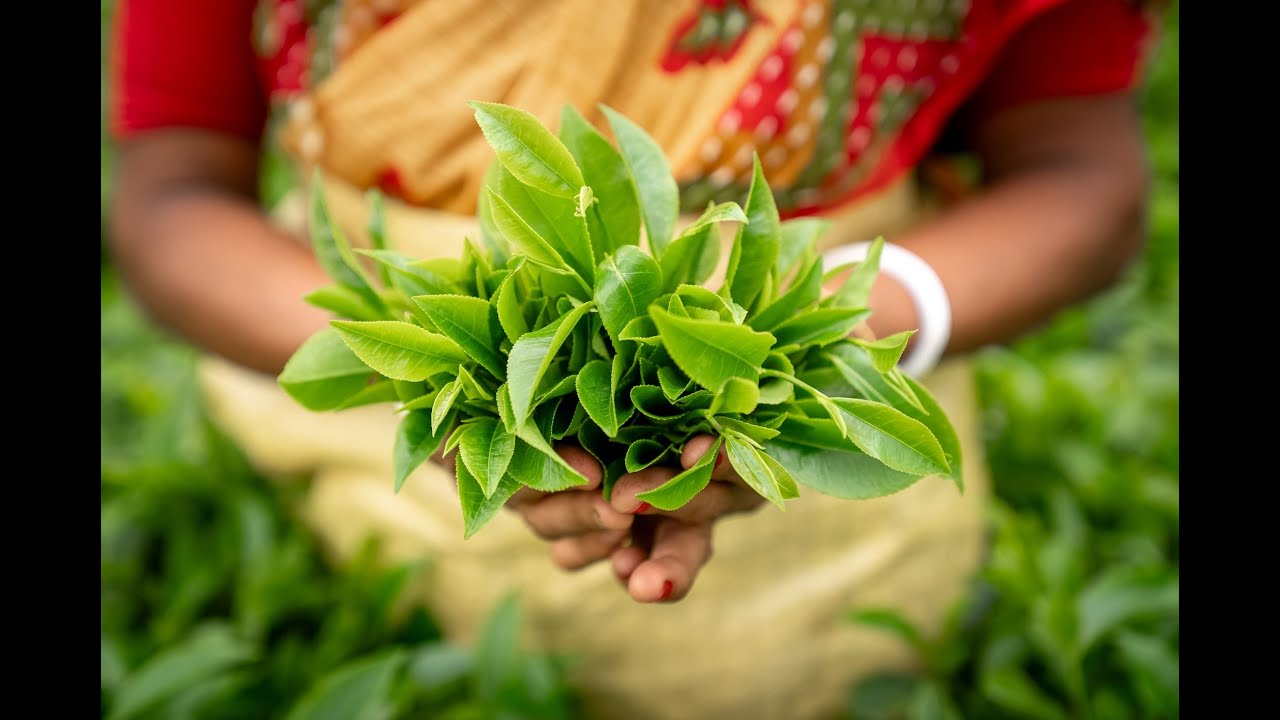
We believe that empowering civil society is essential for achieving the strategic goals of the RECLAIM Sustainability! programme; and have striven for a radical re-balancing of power and genuine transformation that benefits the smallholder farmers, workers, and miners at the beginning of the supply chain.
IMPACT PATHWAYS
RECLAIM Sustainability! has worked towards impact that fosters a responsible private sector, a supportive public sector, and a vibrant and strong civil society. This was implemented through three impact pathways: Advocate through inclusive dialogue, Accelerate disruptive innovations, and Amplify the voice of citizenry.
ADVOCATE THROUGH INCLUSIVE DIALOGUE
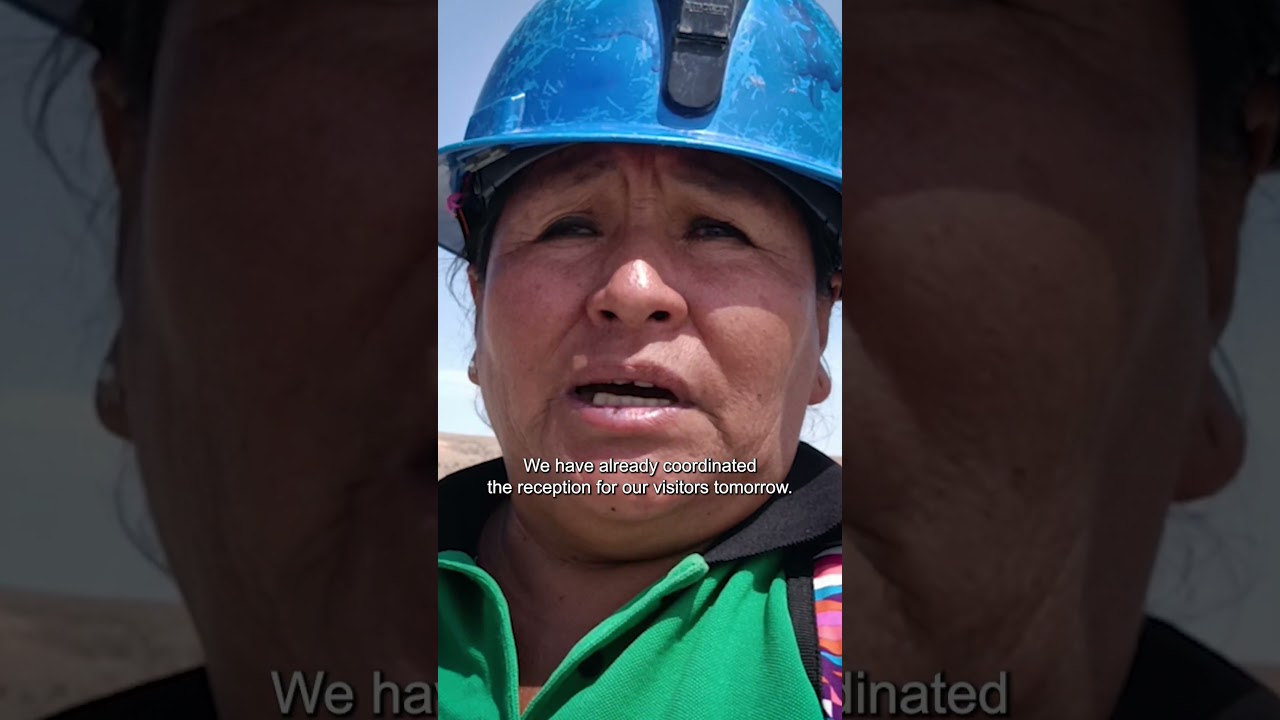
Influencing agendas and developing evidence-based solutions to address socio-economic and environmental shortcomings in trade and supply chains.
AMPLIFY THE VOICE OF CITIZENRY
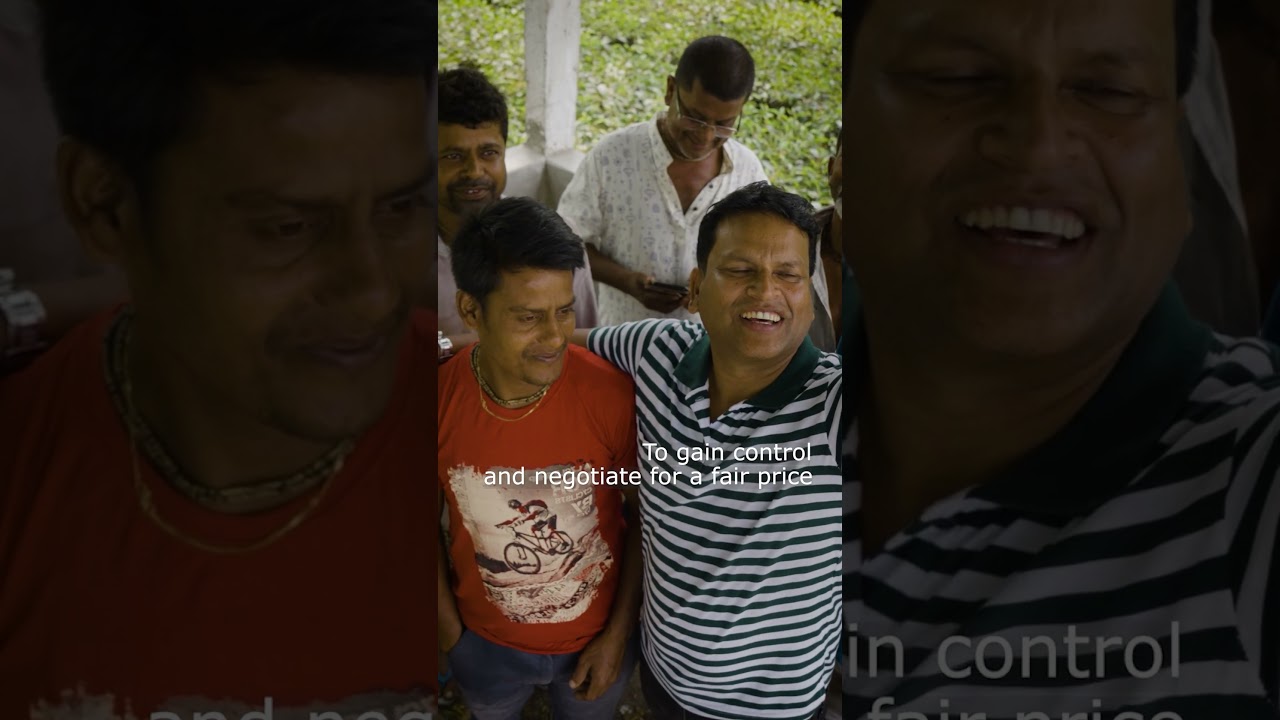
Mobilizing, activating, and engaging citizens and civil society organizations (CSOs) to change norms, and influence the policy agenda on issues related to unsustainable and non-inclusive trade and supply chains.
ACCELERATE DISRUPTIVE INNOVATIONS
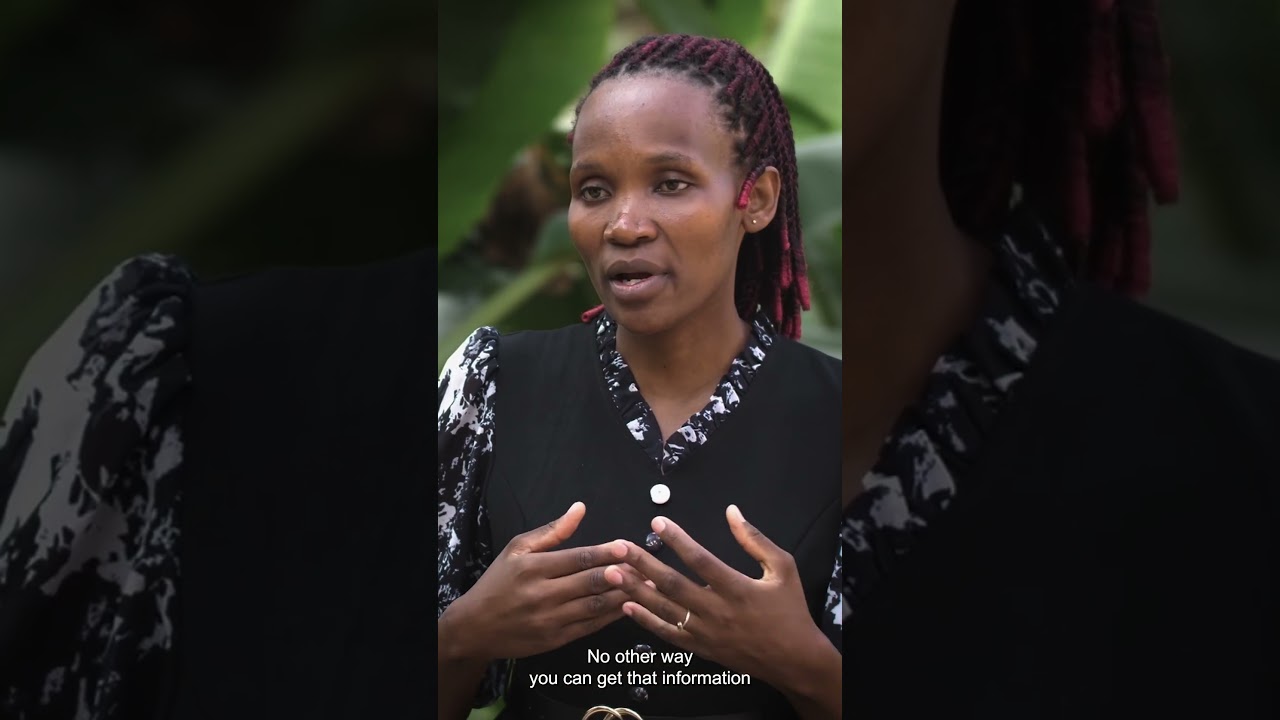
Aiming to optimize the bargaining position of farmers and workers in the supply chains.
QUOTE WALL
In RECLAIM Sustainability! we've worked with smallholder farmers, miners and workers across supply chains. Check out what they have shared - and read on to find out more about their stories in the case studies and videos.
SUPPLY CHAIN: GOLD

As a mining woman, I will raise my voice with dignity. [...] I want to be heard more than anything else. That is my dream.
Justa Taype
Miner and board member at National Network of Women in Artisanal and Small-Scale Mining
Peru
SUPPLY CHAIN: COFFEE

Being a coffee farmer means a lot to me. [...] [The digital tool] saves us time, and as a farmer, I will have my information stored safely. [...] Things are improving for us as farmers, and we are hopeful for a better future.
Alice Natukunda
Coffee farmer and secretary manager at Nyeibingo Growers Co-operative Society
Uganda
SUPPLY CHAIN: TEA
I am very proud to be a tea grower. [...] As part of the collective, [now] I supply my tea leaves directly to the factory, and I am being compensated fairly. [...] Together, we are stronger.
Tapan Mandal
Tea grower
India
SUPPLY CHAIN: TEXTILES
I began my career at 4A Yarn Dyeing Ltd.,[...], never imagining that I could one day move into a management role. With encouragement from my supervisors, along with training opportunities and increased responsibility, I was able to grow both my skills and confidence. The company’s culture of inclusivity and commitment to giving women the same opportunities as men played a key role in my career. As a result, I was promoted to Junior Executive. Today, I contribute not only to quality improvement but also to mentoring other women on the floor. I feel confident in my work and proud to show other women that they, too, have a future here if they continue to learn and take on greater responsibilities.
Eva Moni
Junior Executive at 4A Yarn Dyeing Ltd.
Bangladesh
SUPPLY CHAIN: OIL PALM
Previously, I did not have a stable income because prices were volatile and dependent on what the mills or artisanal processors were offering. In some weeks or months, I sold a ton of palm fruit for 450 Ghana cedis (37 euros). Since the implementation of the pricing mechanism, I now sell a ton of fresh fruit bunches for a price between 1,400 and 1,600 Ghana cedis (123 to 138 euros) a ton.
Oppong Korang
Oil palm farmer
Ghana

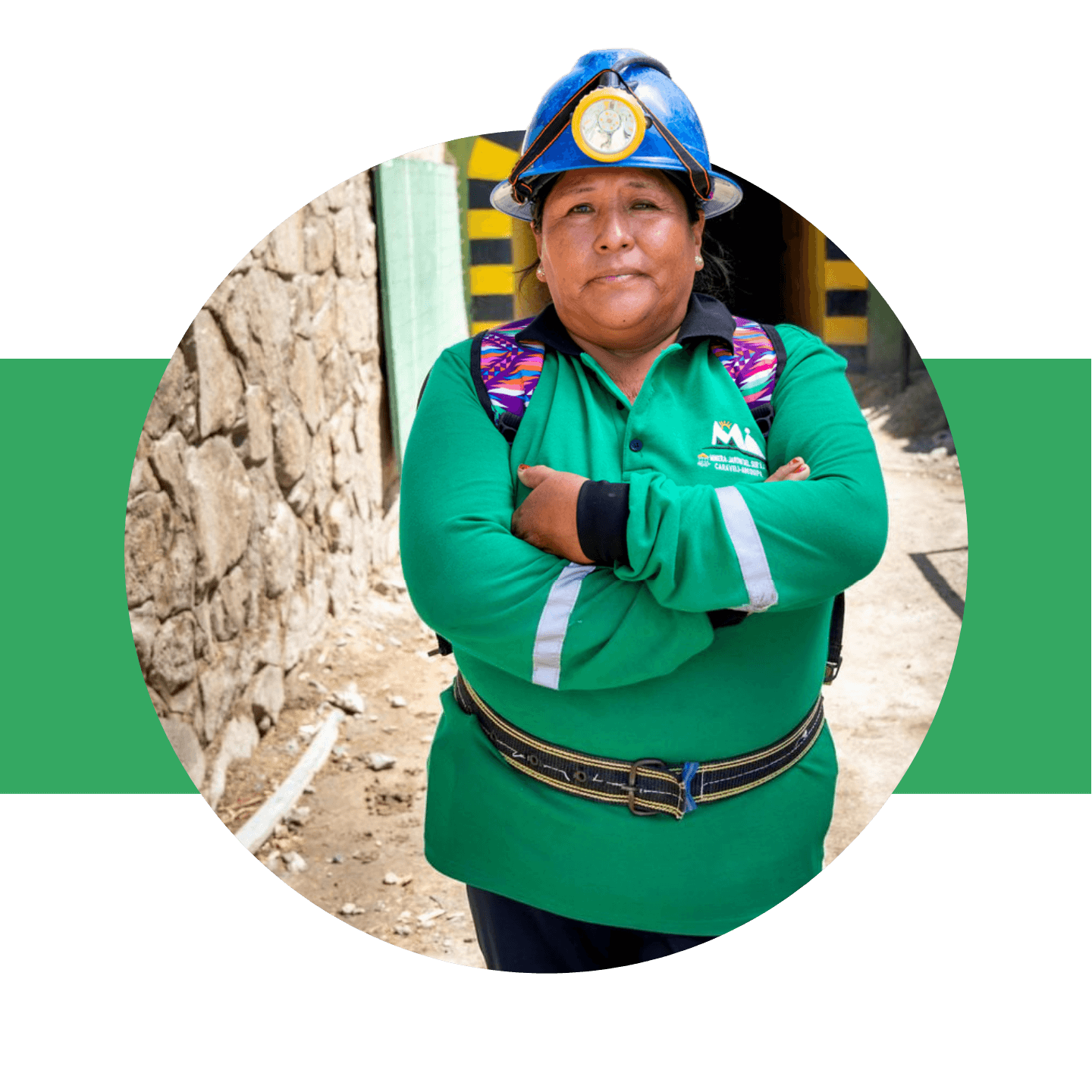
SUPPLY CHAIN: GOLD
As a mining woman, I will raise my voice with dignity. [...] I want to be heard more than anything else. That is my dream.
Justa Taype
Miner and board member at National Network of Women in Artisanal and Small-Scale Mining
Peru
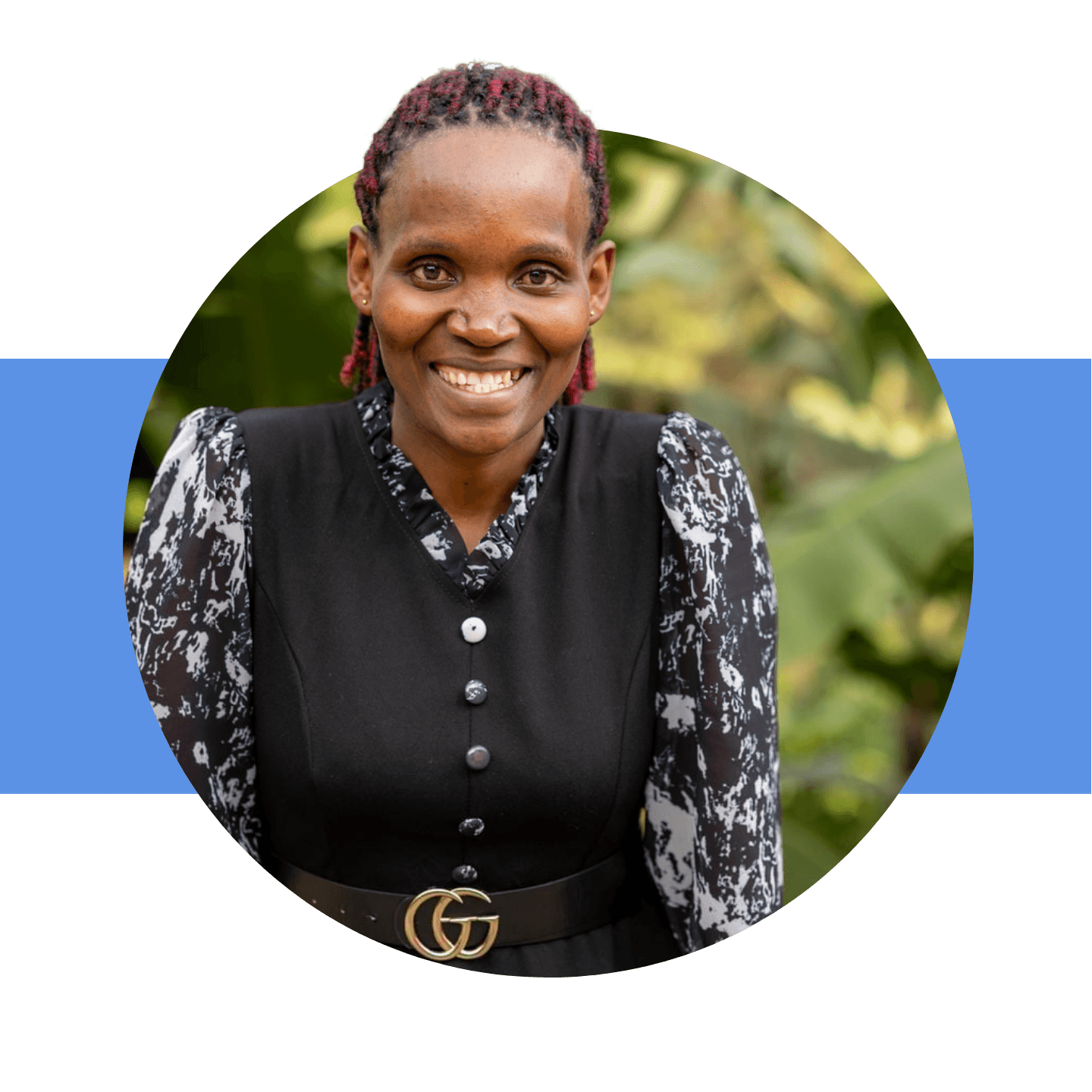
SUPPLY CHAIN: COFFEE
Being a coffee farmer means a lot to me. [...] [The digital tool] saves us time, and as a farmer, I will have my information stored safely. [...] Things are improving for us as farmers, and we are hopeful for a better future.
Alice Natukunda
Coffee farmer and secretary manager at Nyeibingo Growers Co-operative Society
Uganda
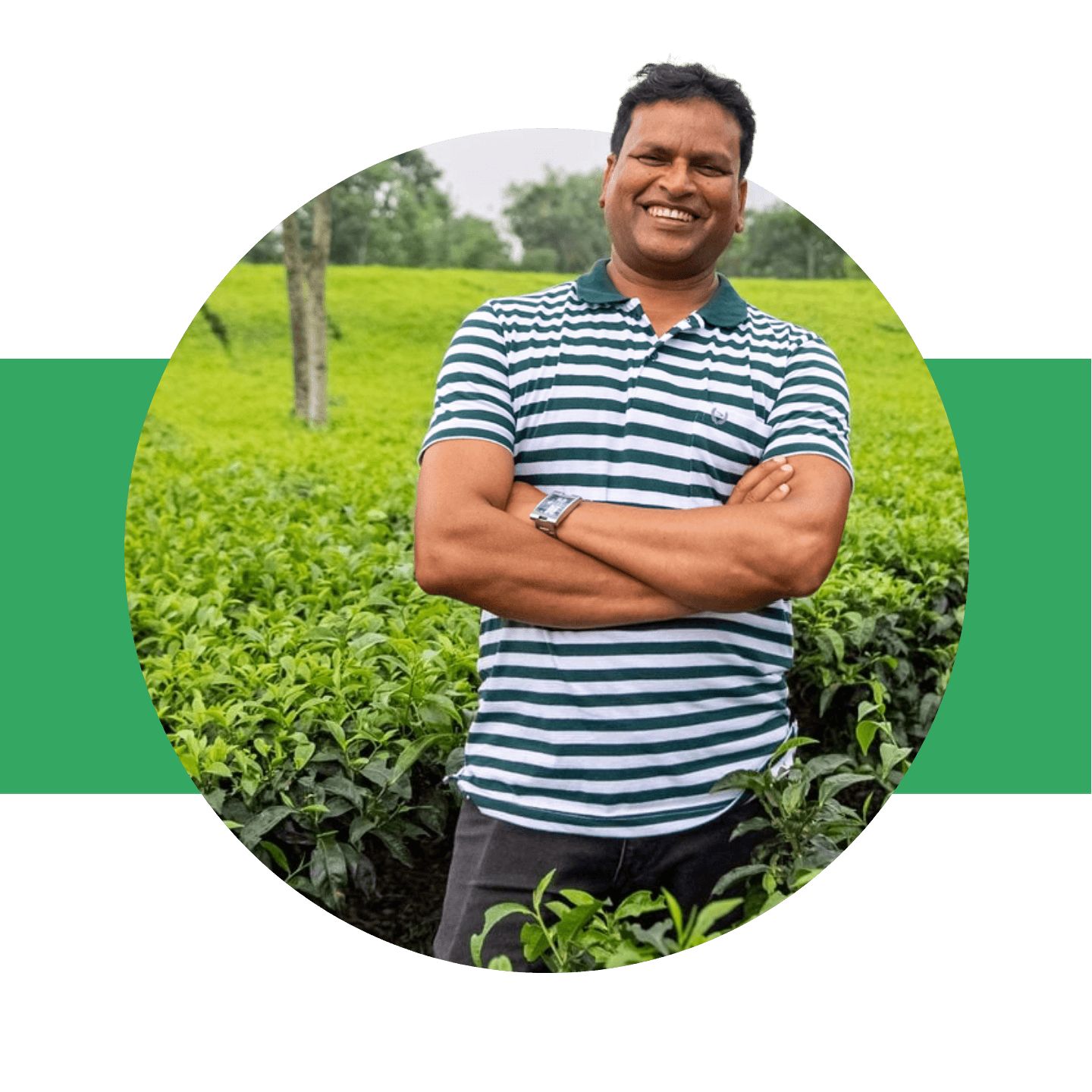
SUPPLY CHAIN: TEA
I am very proud to be a tea grower. [...] As part of the collective, [now] I supply my tea leaves directly to the factory, and I am being compensated fairly. [...] Together, we are stronger.
Tapan Mandal
Tea grower
India
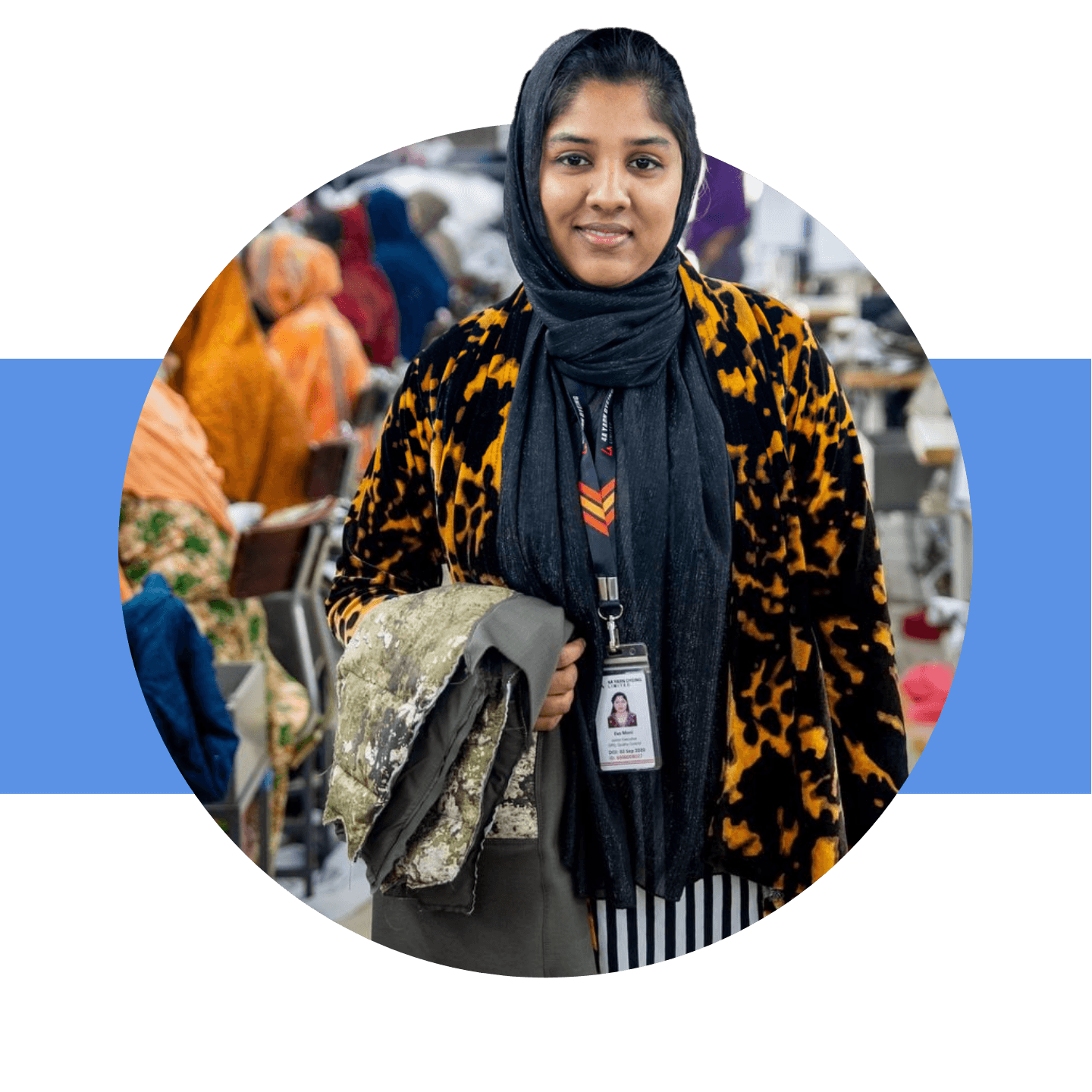
SUPPLY CHAIN: TEXTILES
I began my career at 4A Yarn Dyeing Ltd.,[...], never imagining that I could one day move into a management role. With encouragement from my supervisors, along with training opportunities and increased responsibility, I was able to grow both my skills and confidence. The company’s culture of inclusivity and commitment to giving women the same opportunities as men played a key role in my career. As a result, I was promoted to Junior Executive. Today, I contribute not only to quality improvement but also to mentoring other women on the floor. I feel confident in my work and proud to show other women that they, too, have a future here if they continue to learn and take on greater responsibilities.
Eva Moni
Junior Executive at 4A Yarn Dyeing Ltd.
Bangladesh
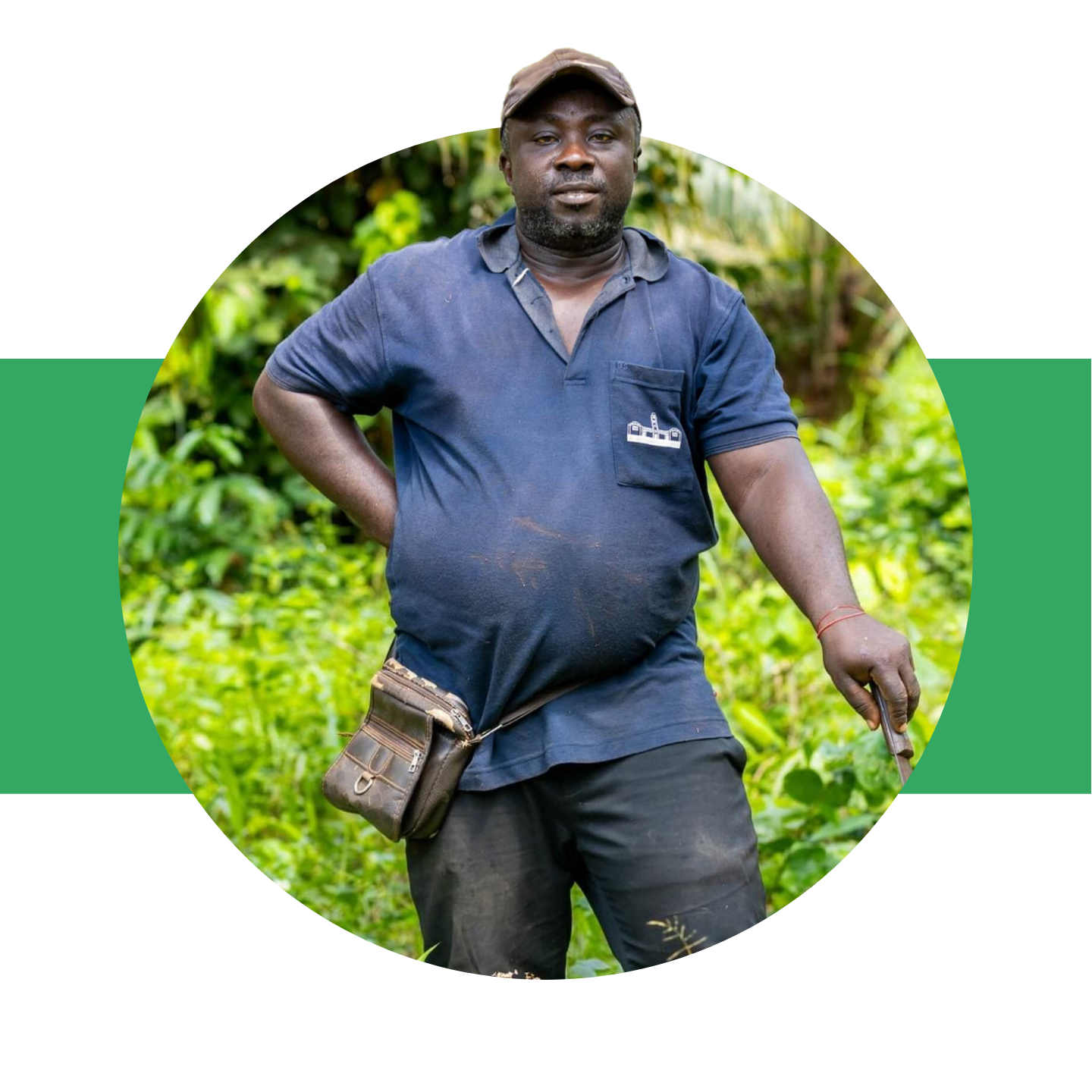
SUPPLY CHAIN: OIL PALM
Previously, I did not have a stable income because prices were volatile and dependent on what the mills or artisanal processors were offering. In some weeks or months, I sold a ton of palm fruit for 450 Ghana cedis (37 euros). Since the implementation of the pricing mechanism, I now sell a ton of fresh fruit bunches for a price between 1,400 and 1,600 Ghana cedis (123 to 138 euros) a ton.
 Built with Shorthand