
RECLAIM Sustainability!
CASE STUDY
Development of a pricing mechanism for the oil palm sector
Setting a Minimum Price: A step towards fair value for oil palm smallholders in Ghana

RECLAIM Sustainability!
CASE STUDY
Development of a pricing mechanism for the oil palm sector
Setting a Minimum Price: A step towards fair value for oil palm smallholders in Ghana


REGION
West Africa; Ghana
CONSORTIUM LEAD
Solidaridad
PARTNERS
Oil Palm Development Association of Ghana (OPDAG)
REGION
West Africa; Ghana
CONSORTIUM LEAD
Solidaridad
PARTNERS
Oil Palm Development Association of Ghana (OPDAG)
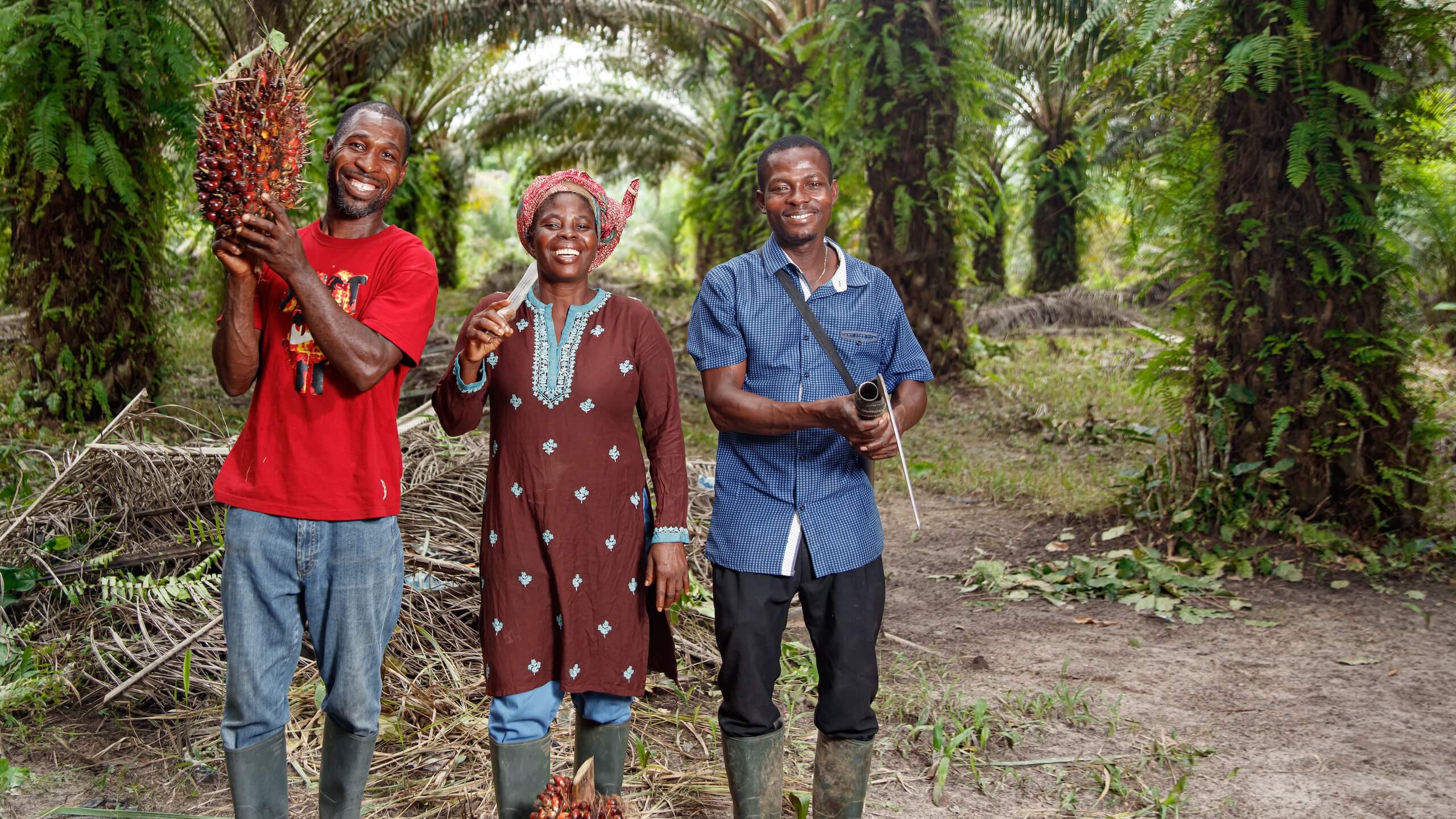
Ghana’s oil palm sector has long suffered from volatile prices that discourage farmers and weaken confidence in the supply chain. Through the RECLAIM Sustainability! programme, Solidaridad worked with the government, industry actors, and researchers to develop and adopt a transparent pricing mechanism for fresh fruit bunches (FFB). This system ensures a fairer value distribution, improves farmer income stability, and rebuilds trust across the supply chain.


Tackling the challenge of price volatility
For years, Ghana’s oil palm farmers faced unpredictable prices that made production planning nearly impossible. Prices fluctuated sharply across regions, and farmers were often forced to sell below production costs. The lack of a standardized pricing system not only discouraged smallholders but also created deep mistrust among farmers, aggregators, and processing mills.
Recognizing this gap, Solidaridad, through the RECLAIM Sustainability! programme, supported the development of Ghana’s first pricing mechanism for the oil palm sector.

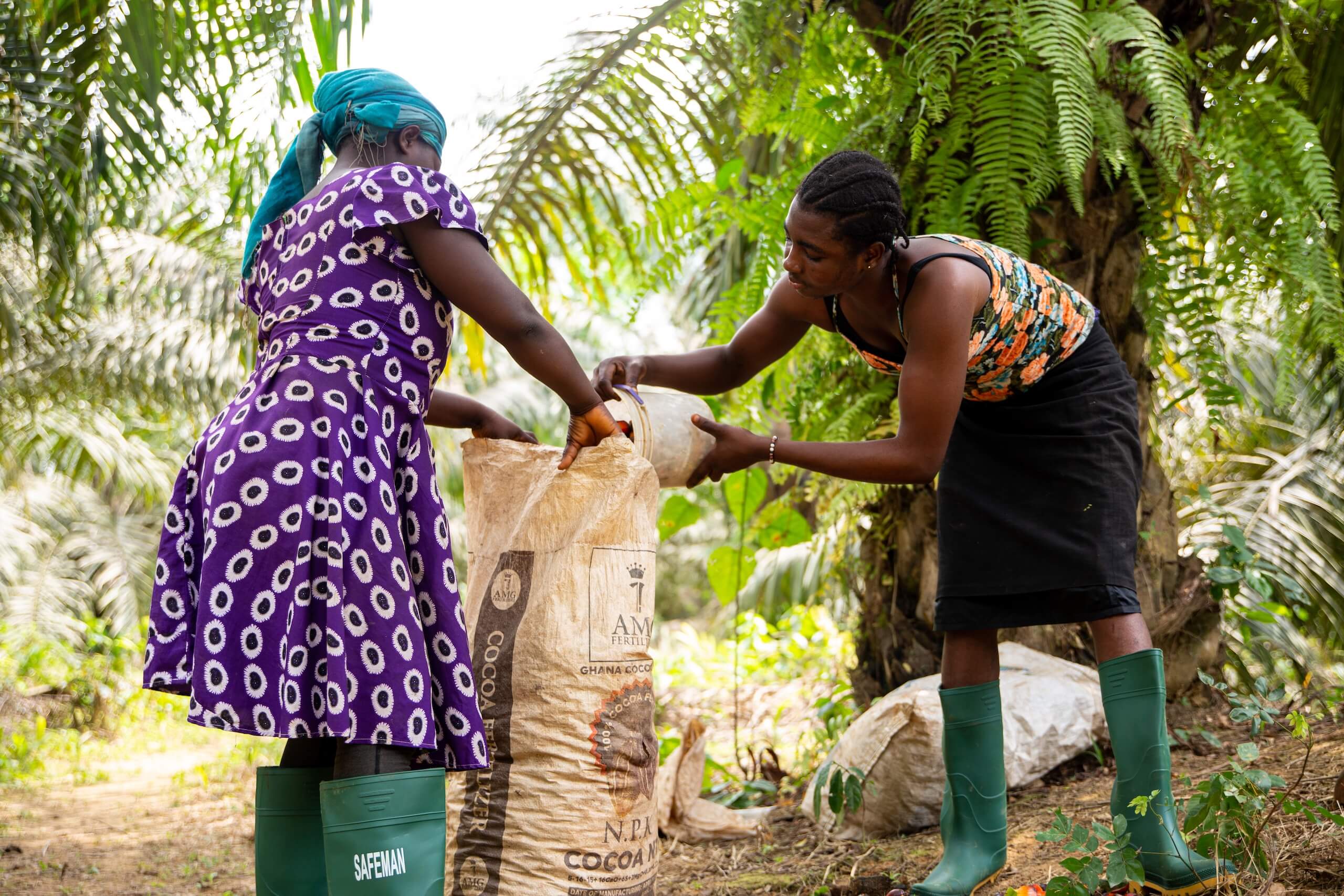
Gathering key stakeholders for dialogue and collaboration
As a first step, Solidaridad brought together key stakeholders, including farmers, aggregators, mill operators, government regulators, and policymakers, for consultations on pricing challenges. These dialogues laid the groundwork for collaboration and consensus-building. Solidaridad then engaged the Institute of Social, Statistical, and Economic Research (ISSER) at the University of Ghana to facilitate the dialogue and co-develop the pricing formula.
The team examined pricing models from Côte d’Ivoire, Indonesia, and Malaysia - countries with established oil palm pricing systems - and analyzed their adaptability to Ghana’s context. They also studied plantation-level mechanisms that already existed in parts of Ghana.
Every actor’s perspective was considered, from farm-level costs and transport margins to mill conversion rates and global market trends.

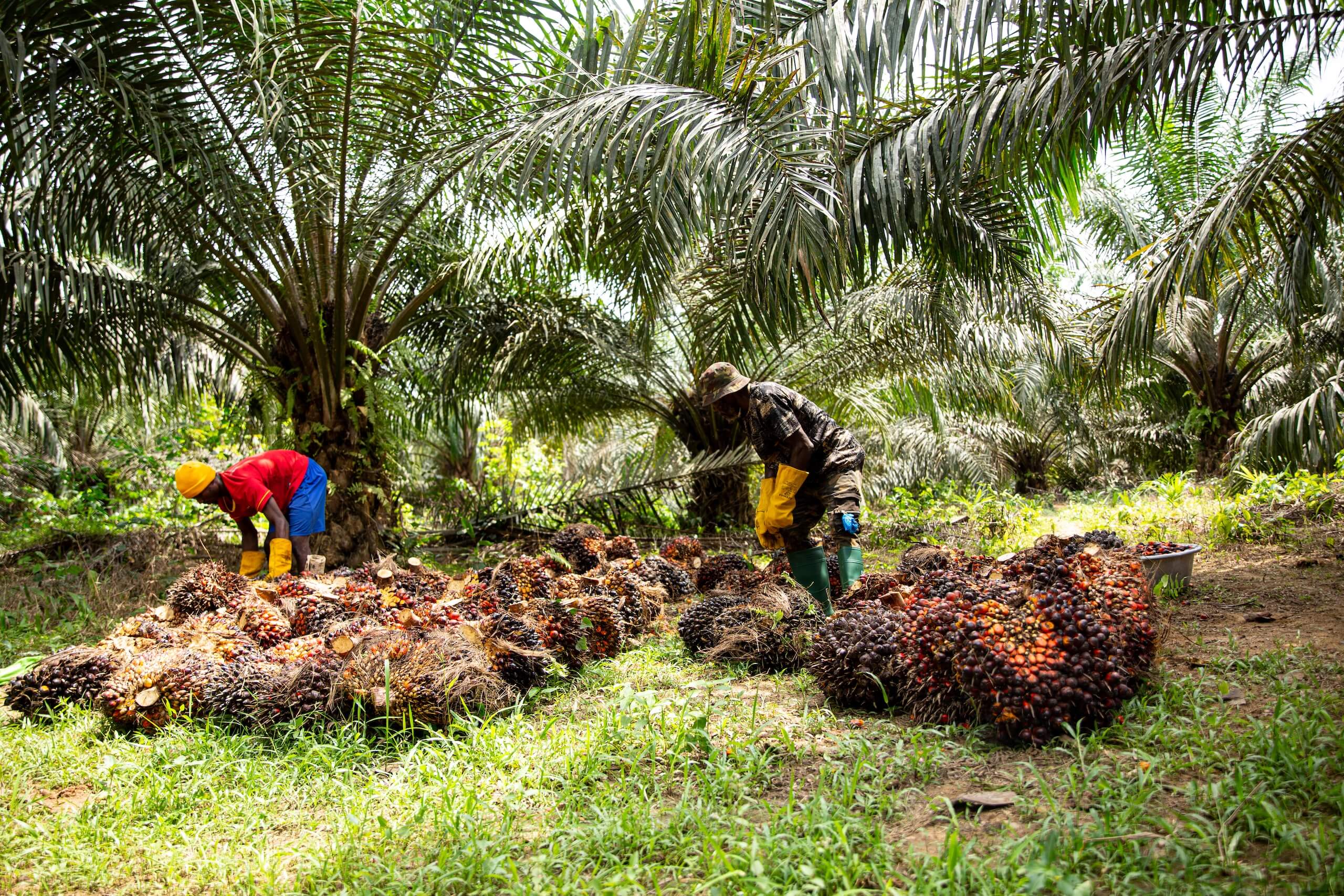
Every actor’s perspective was considered, from farm-level costs and transport margins to mill conversion rates and global market trends.
After months of joint analysis, the actors finalized a benchmark formula, indexed to international Crude Palm Oil (CPO) and Palm Kernel Oil (PKO) prices and adjusted for the local exchange rate. Subsequently, Solidaridad facilitated policy dialogues with the Ministry of Food and Agriculture and the Tree Crop Development Authority to review, refine, and approve the formula for national adoption.
Establishing the minimum producer price for FFB
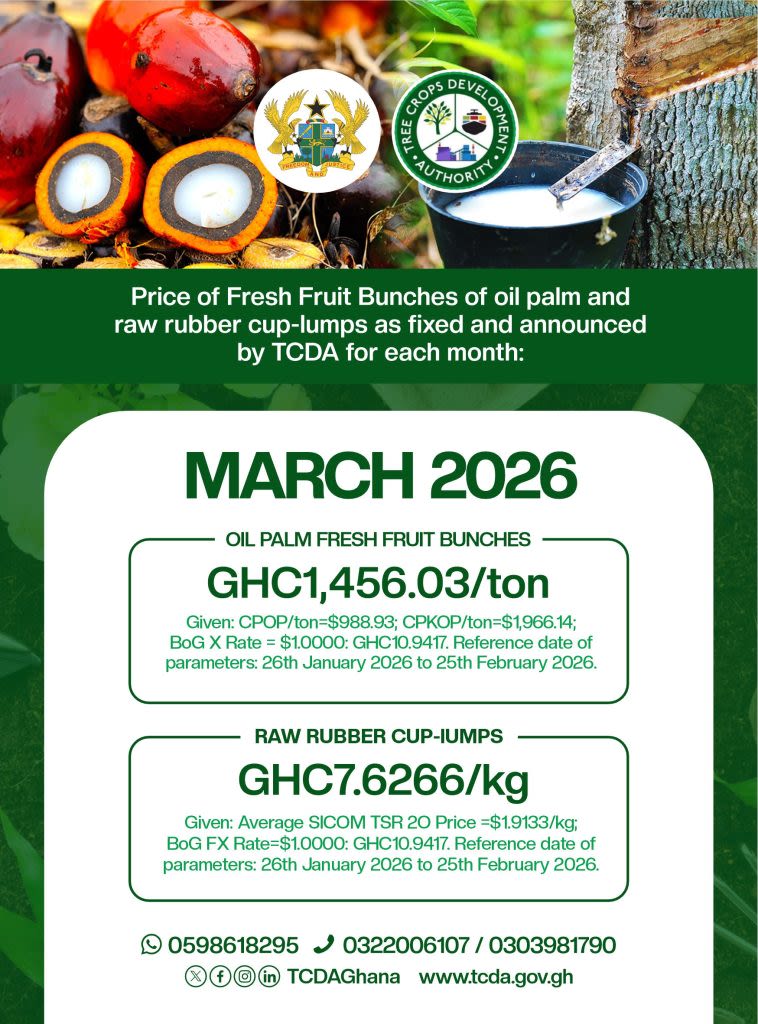
In oil palm, the minimum producer price for fresh fruit bunches is agreed by stakeholders and announced monthly, subject to some key considerations and market dynamics. This flexibility helps farmers and processors adapt to changing global conditions while maintaining fairness and predictability.


The minimum producer price ensures that every farmer, regardless of location, is assured a fair price for their produce. It has restored confidence and reduced the constant haggling between farmers and aggregators.
Isaac Ampofo, General Manager, Nat-K Royal Limited (An Aggregator)

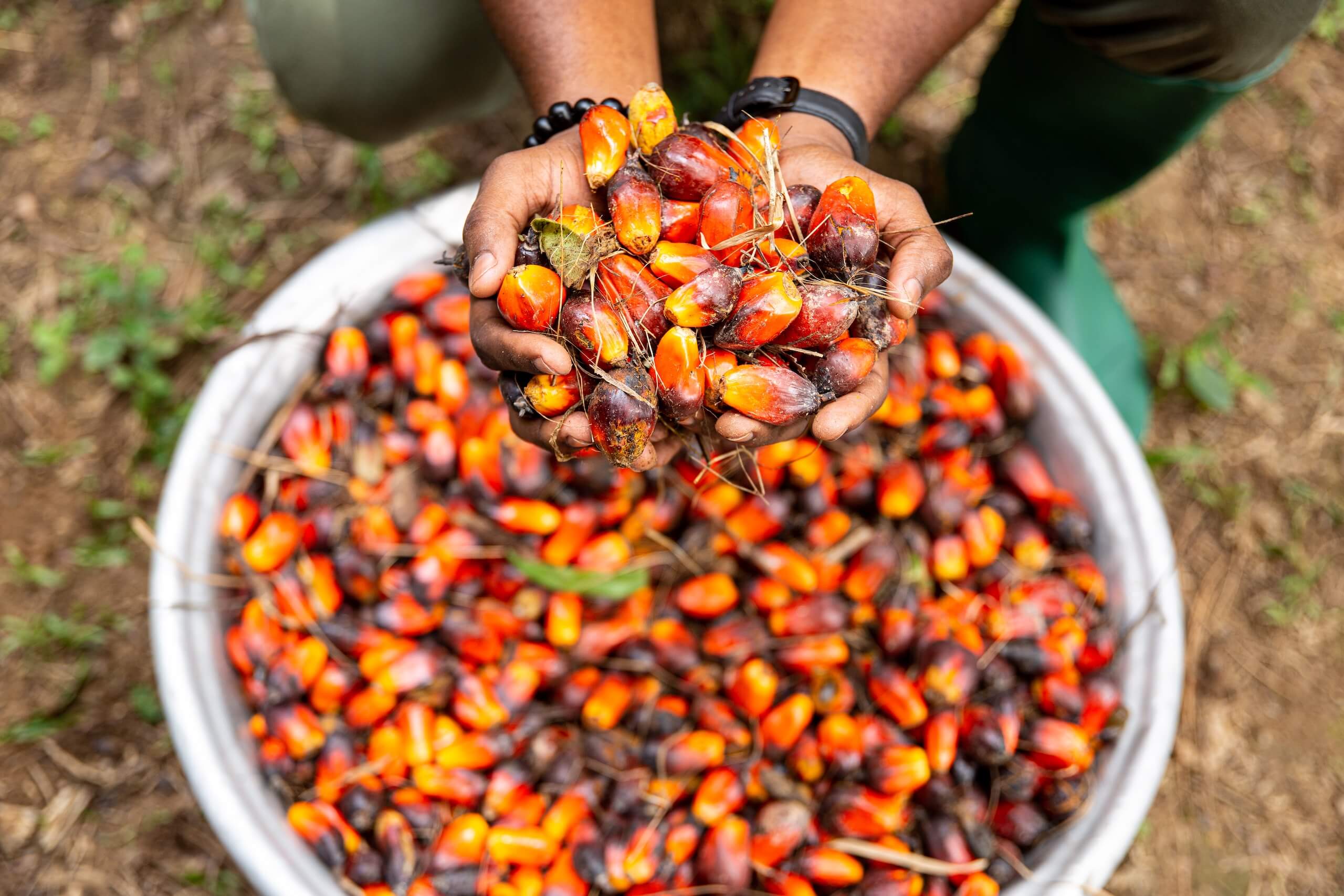
The new system also addressed long-standing tensions between farmers and buyers. Previously, farmers accused aggregators of underpaying, while aggregators struggled to meet their own costs amid fluctuating mill prices. Today, both groups operate with greater transparency and trust.

Farmers now understand the pricing logic and know what to expect. For once, we all feel part of the same value chain
Martin Ola, a farmer from Ghana’s Western Region
Shared ownership key to pricing mechanism’s success
Since its launch in January 2023, the pricing mechanism has been successfully implemented with consistent monthly announcements of the FFB price. About 25,000 smallholder farmers are benefitting from the price mechanism. Farmers also report improved income stability and renewed motivation to stay in oil palm production. The participatory process and continuous communication have been key to its acceptance and success.
Oppong Korang, an oil palm farmer in the Eastern Region of Ghana, is now enjoying a higher, stable price than before.
Previously, I did not have a stable income because prices were volatile and dependent on what the mills or artisanal processors were offering. In some weeks or months, I sold a ton of palm fruit for 450 Ghana cedis (37 euros). Since the implementation of the pricing mechanism, I now sell a ton of fresh fruit bunches for a price between 1,400 and 1,600 Ghana cedis (123 to 138 euros) a ton.
Oppong Korang, an oil palm farmer in the Eastern Region of Ghana

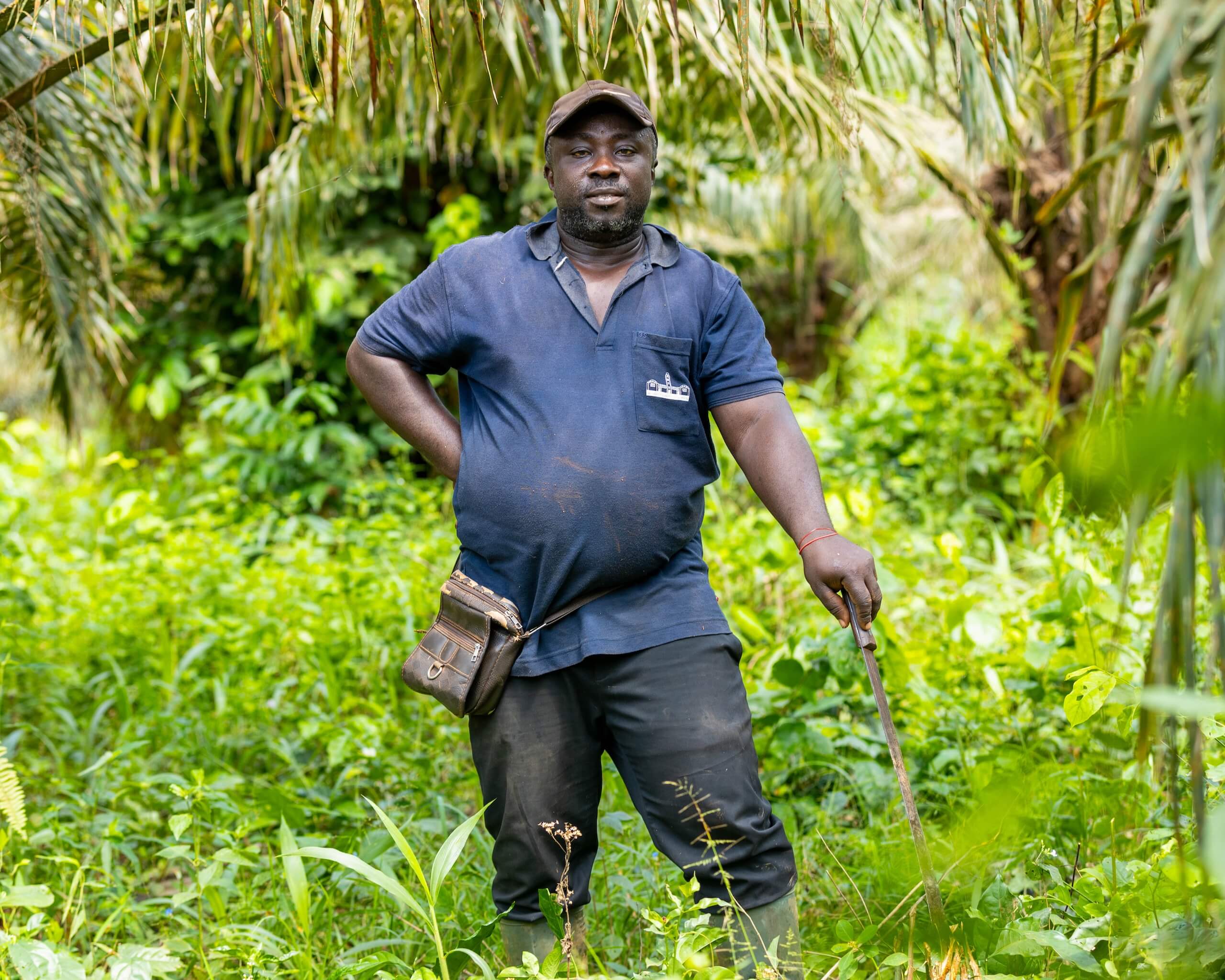
Oppong’s awareness of minimum price before harvesting means that he is able to plan well, which has led to an improved livelihood, including investing in higher education for his children and in the farm. He recounts that some of his fellow farmers have been able to maintain their farms and hire more labour support as a result of the pricing mechanism.
The monthly announcement of the fresh fruit bunch price gives him strong bargaining power and the confidence to negotiate with buyers.

The pricing mechanism’s success lies in its inclusivity and transparency. Farmers, processors, and regulators were part of every step, from data collection to validation, ensuring shared ownership. The monthly review approach provides flexibility and helps prevent exploitation during market dips. The process built mutual trust, restored confidence in the sector, and encouraged more consistent participation among smallholders.
A key insight is that policy reform anchored in data and collaboration can drive lasting market fairness. Farmers are now better equipped to advocate for equitable prices, and aggregators enjoy predictable business relationships.
The pricing system is really about fairness and clarity. It has helped farmers to know that they’re getting a fair price for their palm fruits, and it also helps processors plan better because prices are more predictable. In the end, it’s good for everyone in the palm oil value chain, and it is helping the industry grow stronger.”
Samuel Avaala, former President of the Oil Palm Development Association of Ghana (OPDAG)

As part of the scaling up of the pricing mechanism to benefit other tree crop sectors, the RECLAIM Sustainability! programme supported the development of a coconut pricing mechanism.
By embedding fairness in pricing and value sharing, Ghana can set a new standard for equitable prices across other commodities in the country.


 Built with Shorthand