
RECLAIM Sustainability!
CASE STUDY
Teh nDeso
Advancing women’s livelihoods through their role as tea micro-entrepreneurs

RECLAIM Sustainability!
CASE STUDY
Teh nDeso
Advancing women’s livelihoods through their role as tea micro-entrepreneurs


REGION
Asia, Indonesia
CONSORTIUM LEAD
Business Watch Indonesia
PARTNERS
Solidaridad Asia
Paguyuban Tani Lestari
REGION
Asia, Indonesia
CONSORTIUM LEAD
Business Watch Indonesia
PARTNERS
Solidaridad Asia
Paguyuban Tani Lestari
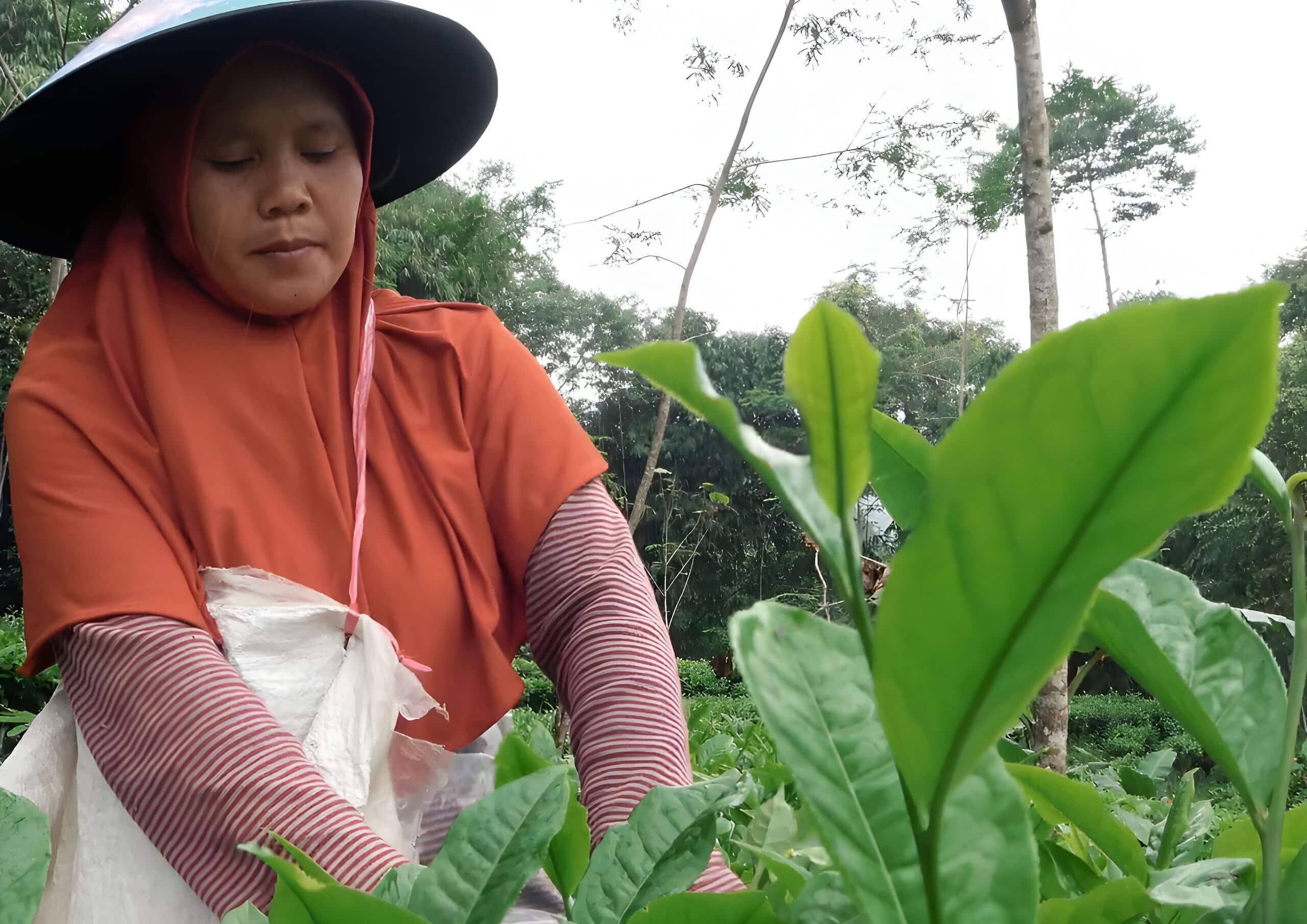
Women play a crucial role in the Indonesian tea sector, yet they often face low wages and minimal recognition for their work. The Teh nDeso initiative changes this by supporting rural women as micro-entrepreneurs, and raising the profile of smallholder tea producers.


Women are the heartbeat of the tea harvest. Their work directly affects the quality of the final product, yet they earn little. Beyond the fields, they juggle household duties and childcare.
At the same time, smallholders struggle selling their tea through middlemen, which significantly cuts into earnings. This reliance leaves them vulnerable to unfair pricing, and the lack of transparency in these transactions deepens their economic disadvantage.

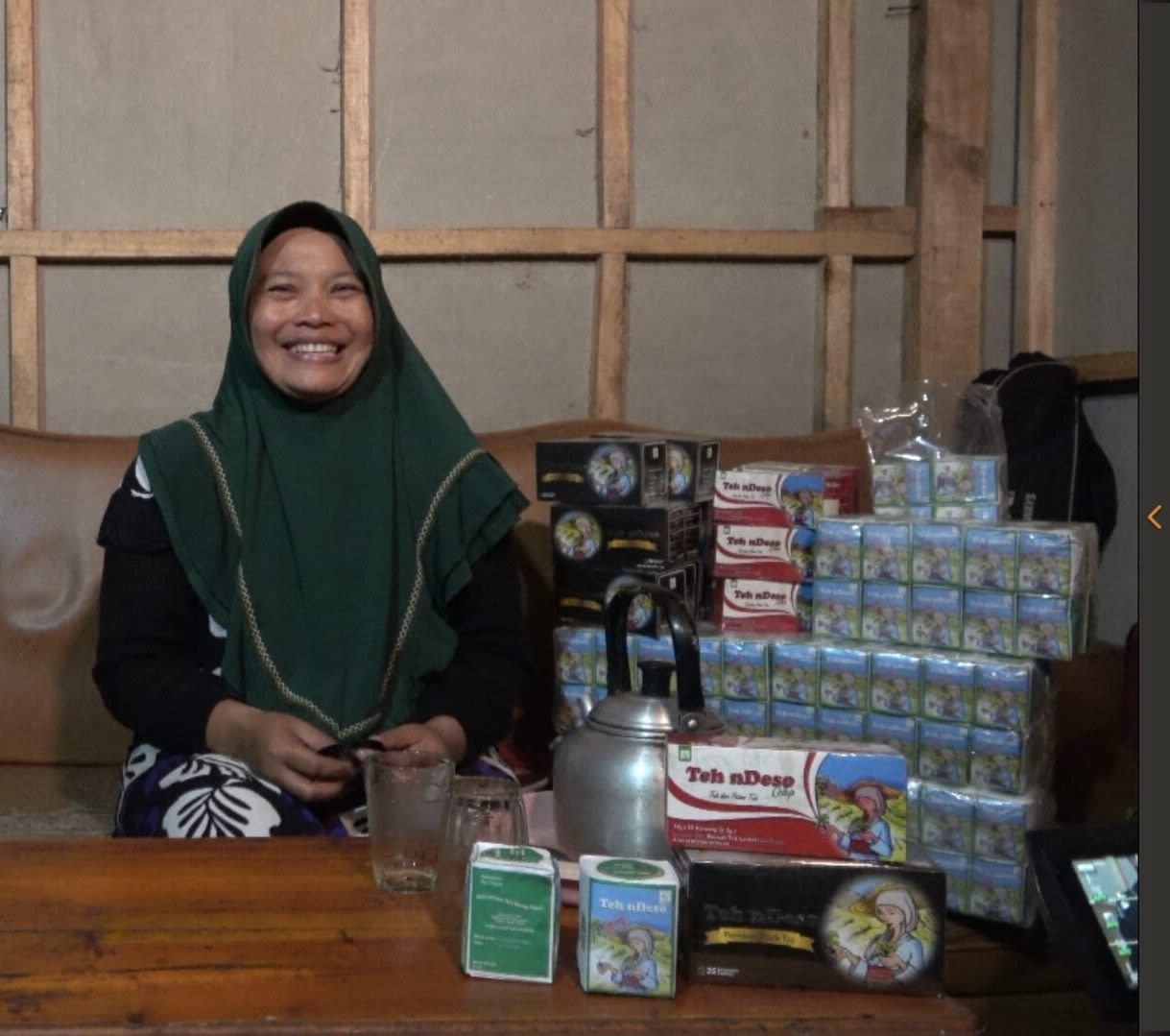
The support of Solidaridad and Business Watch Indonesia under the RECLAIM Sustainability! programme has strengthened the position of the organization in establishing the Teh nDeso brand, owned by Paguyuban Tani Lestari.
It facilitated the participation of tea smallholders in multi-stakeholder forums and assisted them in developing their networks in the supply chain, government and business. Furthermore, the Teh nDeso campaign on smallholder tea products has led to strengthening the presence of tea smallholders in the supply chain and gaining support from consumers. The brand brings high-quality tea directly to consumers, generates employment opportunities for women, and reflects a commitment to inclusive growth and sustainable livelihoods.
The Teh nDeso business model elevates visibility and market access for smallholders, while creating entrepreneurial opportunities for rural women.

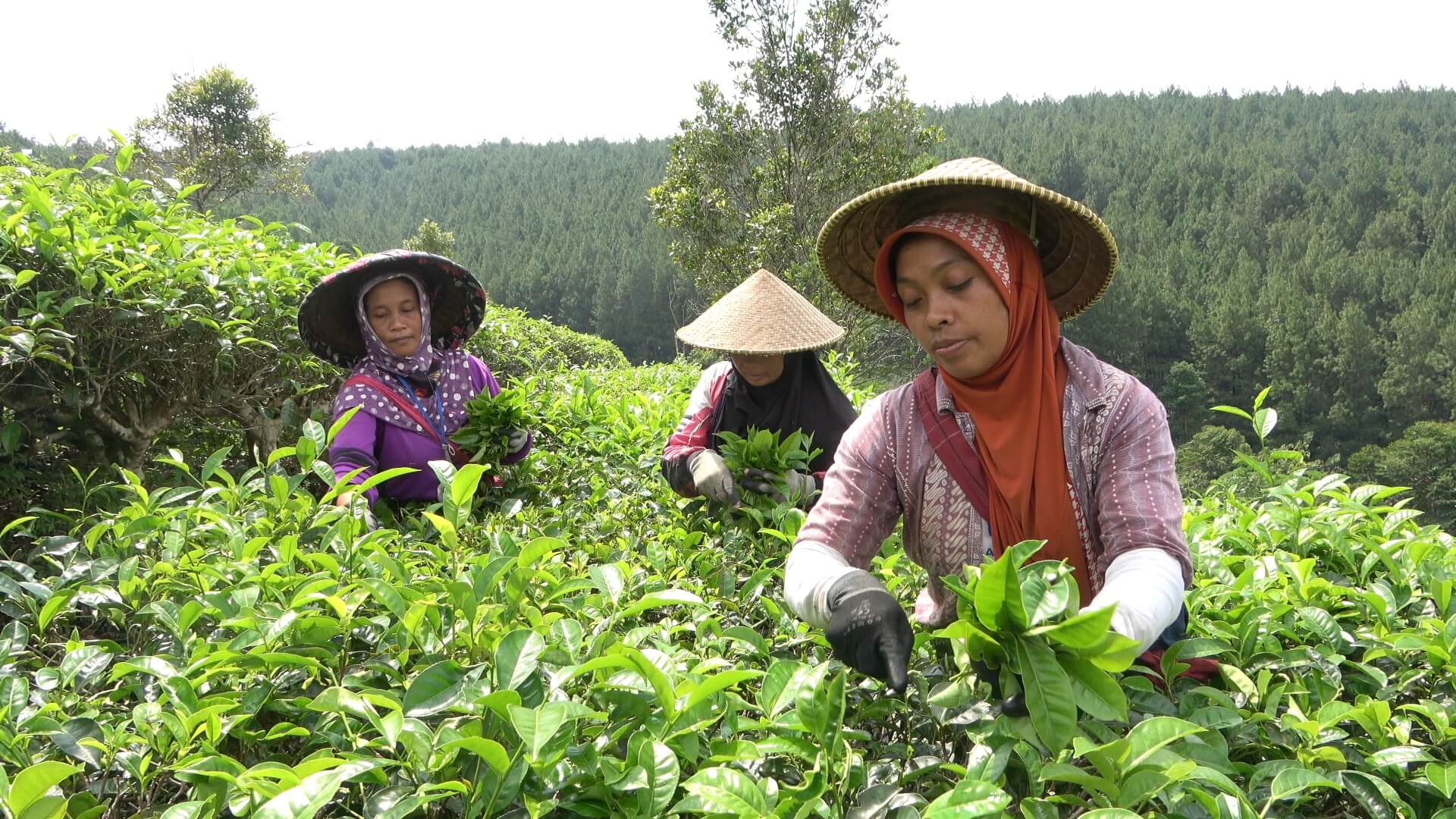
The Teh nDeso business model elevates visibility and market access for smallholders, while creating entrepreneurial opportunities for rural women.
In the model, women receive training as local tea micro-entrepreneurs (micropreneurs) selling packaged smallholder tea directly to neighbors and nearby markets. Unlike formal factory jobs, Teh nDeso allows women to work at their own pace and schedule, balancing tea-related work with family duties.

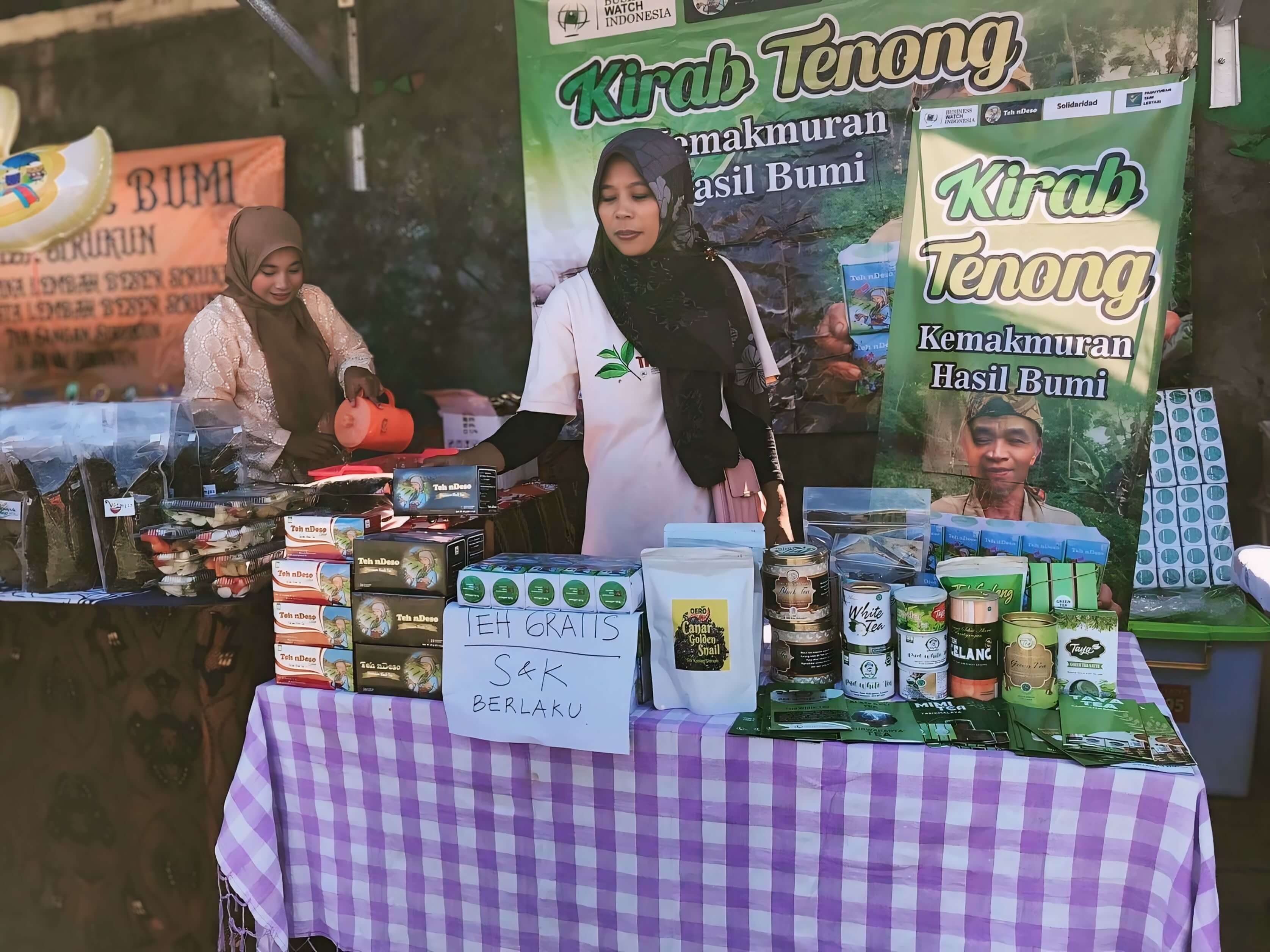
The initiative strengthens the position of smallholders in the market and helps women to achieve tangible personal gains, both economic and social. Direct selling increases income, and as their role becomes more visible, they gain respect in their communities and families. They’re no longer seen as laborers but as entrepreneurs who contribute to the local economy.
Since 2022, smallholder tea sales have grown from 10 metric tonnes per year to over 180 metric tonnes
15-25%
Farmer incomes have risen by 15-25%
women and smallholders are selling tea products in their neighborhoods and in local shops
Watini, a farmer and mother, increased her monthly income by nearly 30 euros after joining the initiative. The extra earnings help her cover household expenses and repay debt.


“People now respect me differently. I am no longer seen as a mere farm worker. … I can now afford and ensure a decent education for my children,” she shares.
Watini, farmer and mother

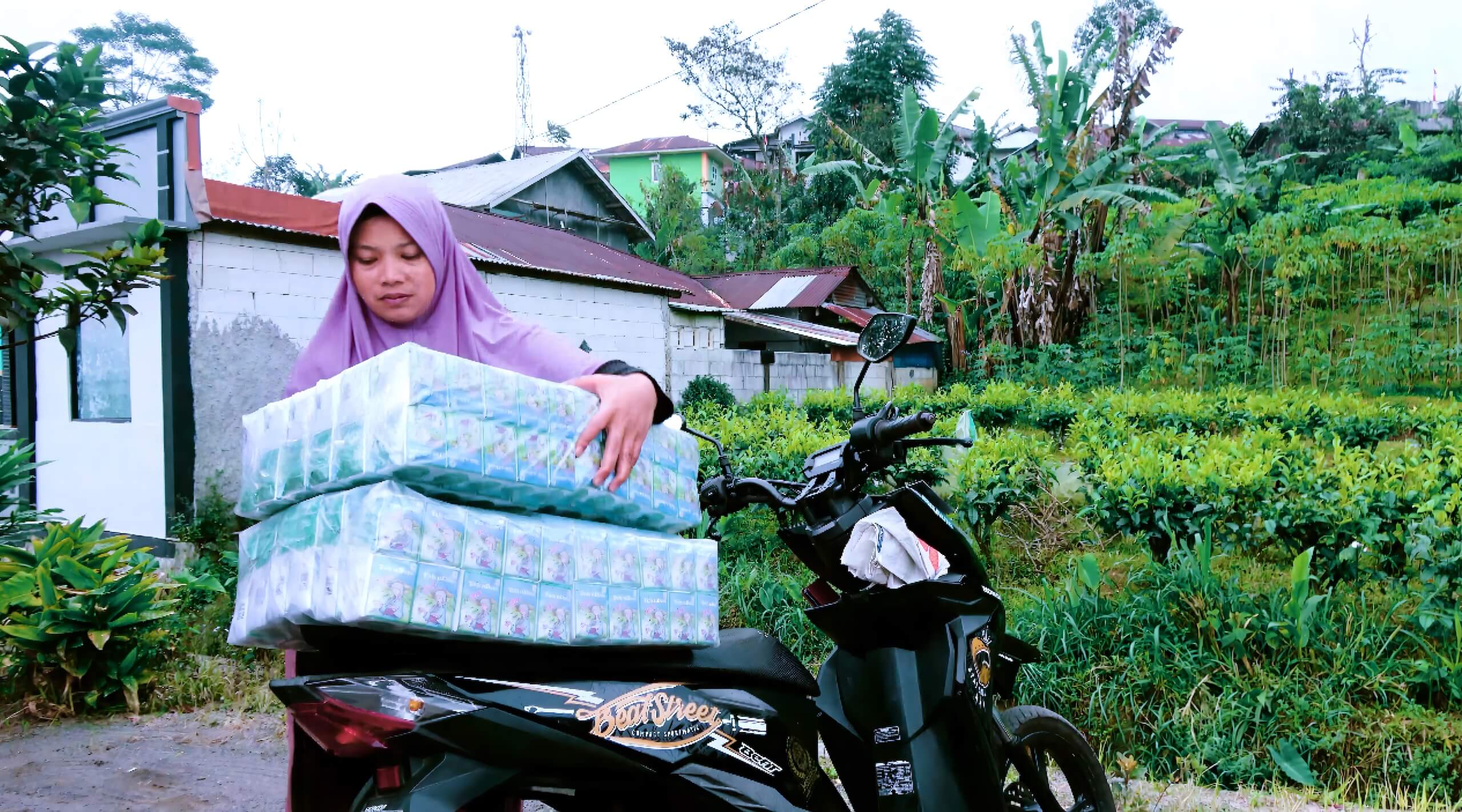

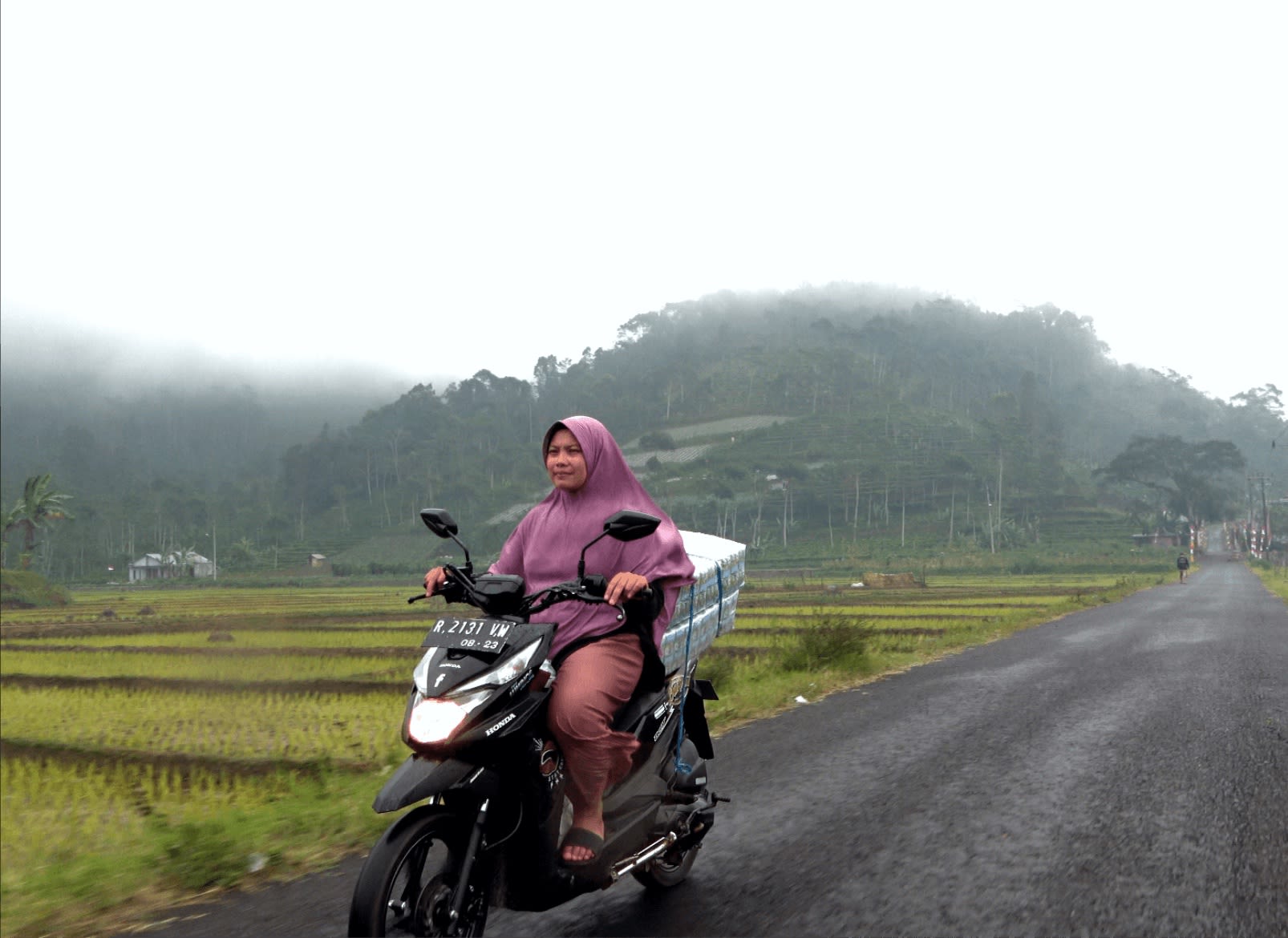
The Teh nDeso initiative exemplifies a commodity-driven approach to rural empowerment, rooted in community ownership and inclusive participation.
The model has the potential to reach over 40,000 smallholder tea producers through Paguyuban Tani Lestari’s network.
Although domestic demand for smallholder tea is growing, broader distribution remains limited and needs strategic investment in retail access, digital marketing, and policy engagement to increase reach and impact.
Whilst the brand is already on the market, it remains important to support the growth of this model. Some important points include developing modern management systems related to knowledge transfer among women micro-entrepreneurs, as well as increasing their number and fostering their skills and knowledge as micro-entrepreneurs. With targeted support, the business model could become a practical solution for inclusive growth with the potential to extend to other sectors, such as coffee, cocoa, and spices.
LEARN MORE
- Teh nDeso connects tea farmers in Indonesia, Solidaridad Network
- Teh nDeso website
- ‘Brewing Change with Teh nDeso’. The Teh nDeso story in the Partos publication: “The Power of Partnerships: 27 Stories of Civil Society Driving Change”


 Built with Shorthand