
RECLAIM Sustainability!
CASE STUDY
From Margins to Masters
Women Redefining Uganda’s Tea Industry with Advocacy and Specialty Tea Business Models

RECLAIM Sustainability!
CASE STUDY
From Margins to Masters
Women Redefining Uganda’s Tea Industry with Advocacy and Specialty Tea Business Models


REGION
East Africa; Uganda
CONSORTIUM LEAD
Solidaridad
PARTNERS
TrustAfrica
REGION
East Africa; Uganda
CONSORTIUM LEAD
Solidaridad
PARTNERS
TrustAfrica
In Uganda’s male-dominated tea sector, women were long confined to raw material suppliers and low-wage labour roles. Through Solidaridad’s RECLAIM Sustainability! programme, grassroots mobilization paved the way for the National Association of Women in Tea Uganda (WiTU), a civil society movement for gender justice and economic empowerment. WiTU has transformed women from marginalized labourers into policy influencers and specialty tea entrepreneurs, pioneering new models that deliver equity, dignity, and market access.


Tackling gender inequality in Ugandan tea sector
Uganda produces about 60,000 metric tonnes of tea per annum and about 90% of tea is exported. For decades, women in Uganda’s tea sector have provided a large amount of farm labour, often over 70%, but were excluded from decision-making and value creation. They remained invisible in policy spaces and locked into low-income tasks, while profits from tea flowed to powerful exporters and the Mombasa auction house.
Recognizing this imbalance, Solidaridad under the RECLAIM Sustainability! programme launched an ambitious initiative to mobilize smallholder tea farmers beginning at the grassroots. This led to the formation of a collective voice for women in the sector, the National Association of Women in Tea Uganda (WiTU), bringing together 1,200 women farmers from 26 tea-producing districts.

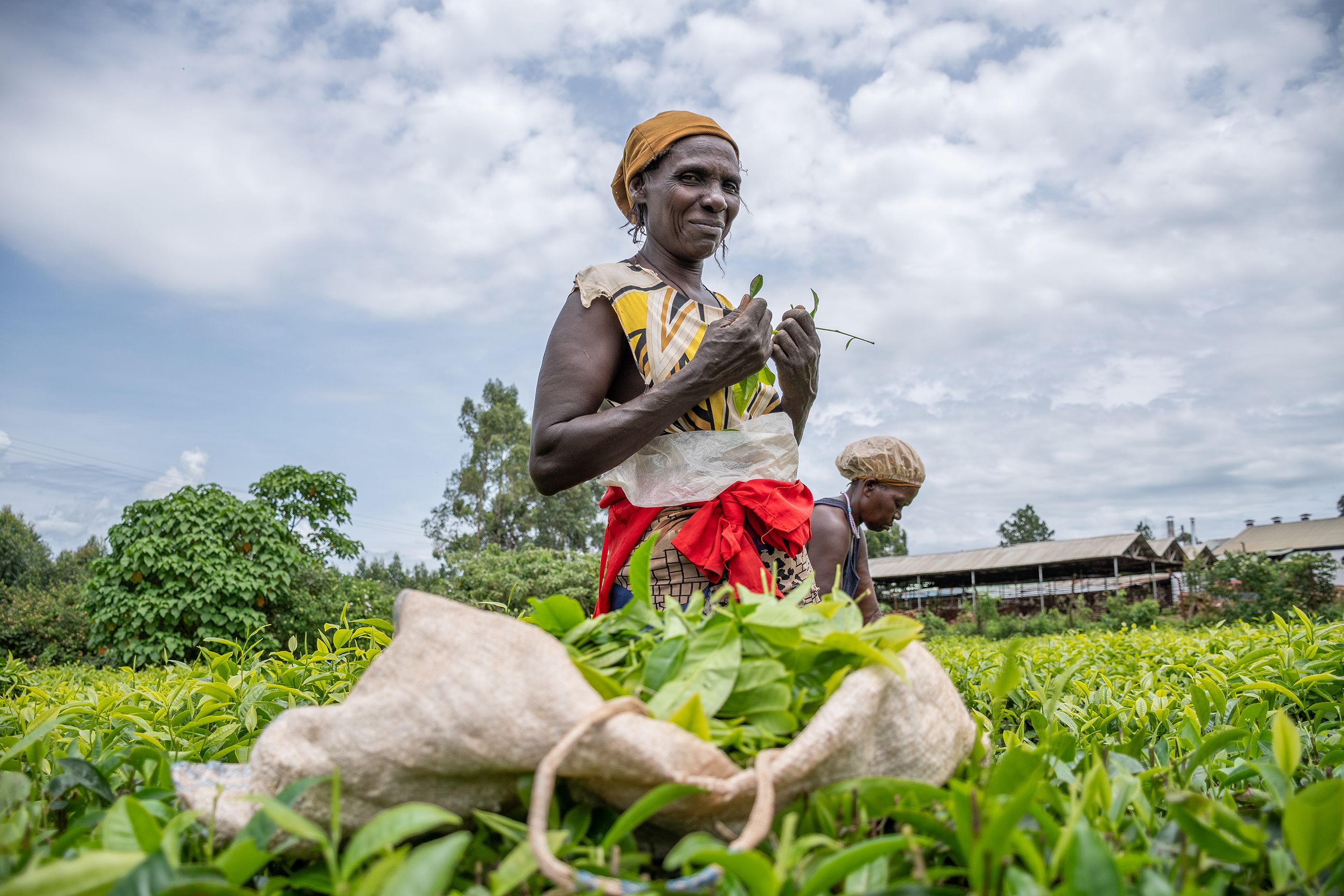
Raising the position of women tea farmers through WiTU
In a short time, WiTU has succeeded in advocating for and amplifying the voices of the women for gender equity within the sector. WiTU secured a historic win: gender equality was adopted as a core principle in the Uganda National Tea Policy. The association also influenced the adoption of inclusive business models in the policy, allowing women to move beyond raw material supply into higher-value business processes. This has positioned women not as beneficiaries of aid, but as equal partners shaping the future of the tea industry.
Beyond policy, WiTU members pioneered the innovative specialty tea business model that shifts women from price-takers in bulk supply chains to value creators in differentiated markets.

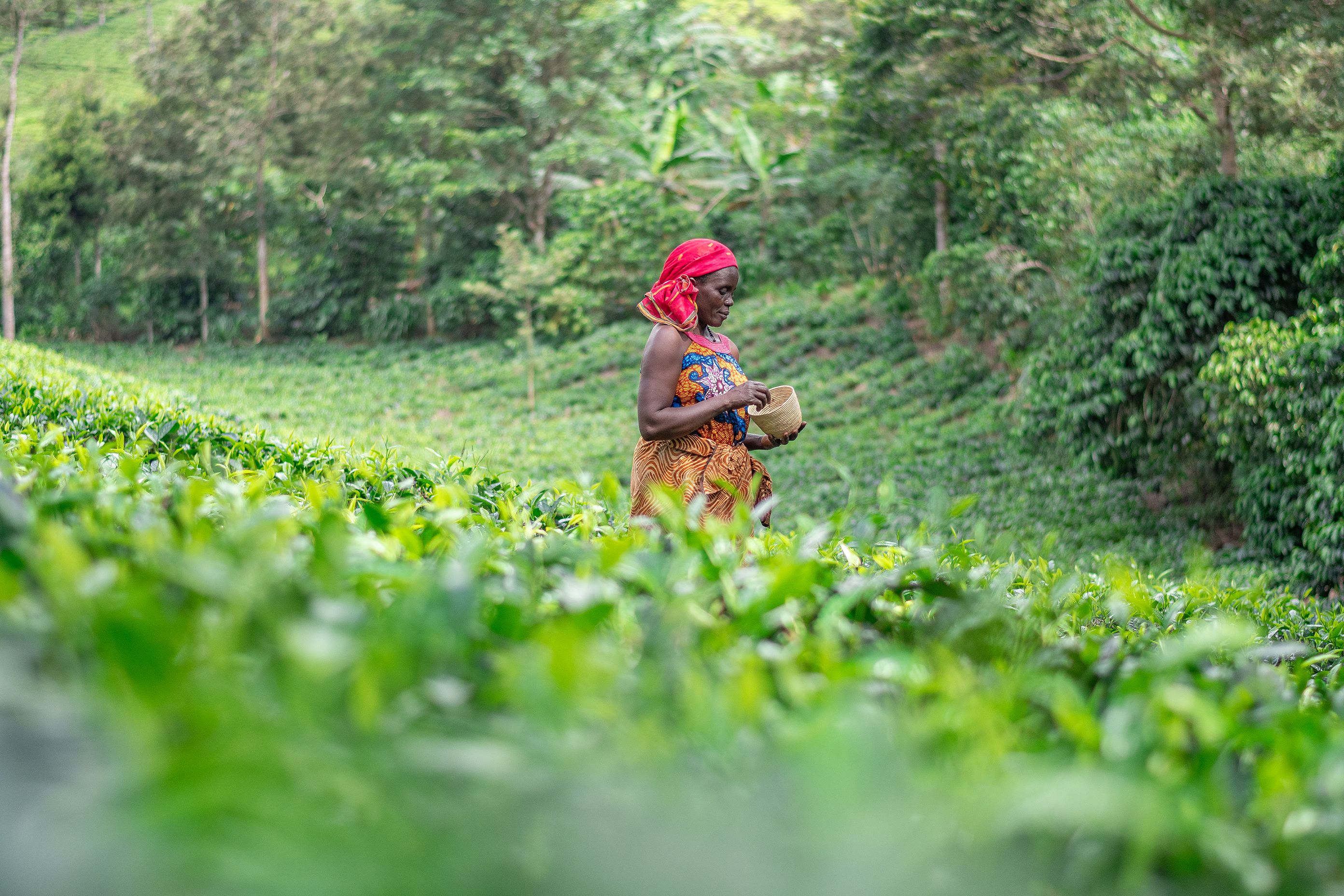
Beyond policy, WiTU members pioneered the innovative specialty tea business model that shifts women from price-takers in bulk supply chains to value creators in differentiated markets.
Through affordable small-scale processing technologies and collective branding, members are able to produce specialty and artisanal tea products, access premium buyers, and significantly improve margins while strengthening their bargaining power within the supply chain. This low-investment, high-reward approach enables them to process and brand their own tea products. Unlike conventional tea businesses limited to the Mombasa auction where prices hover below USD 1/kg, WiTU’s women-led enterprises are now exporting directly to niche international markets in the Netherlands, Belgium, and the UK, fetching between USD 20–100/kg.

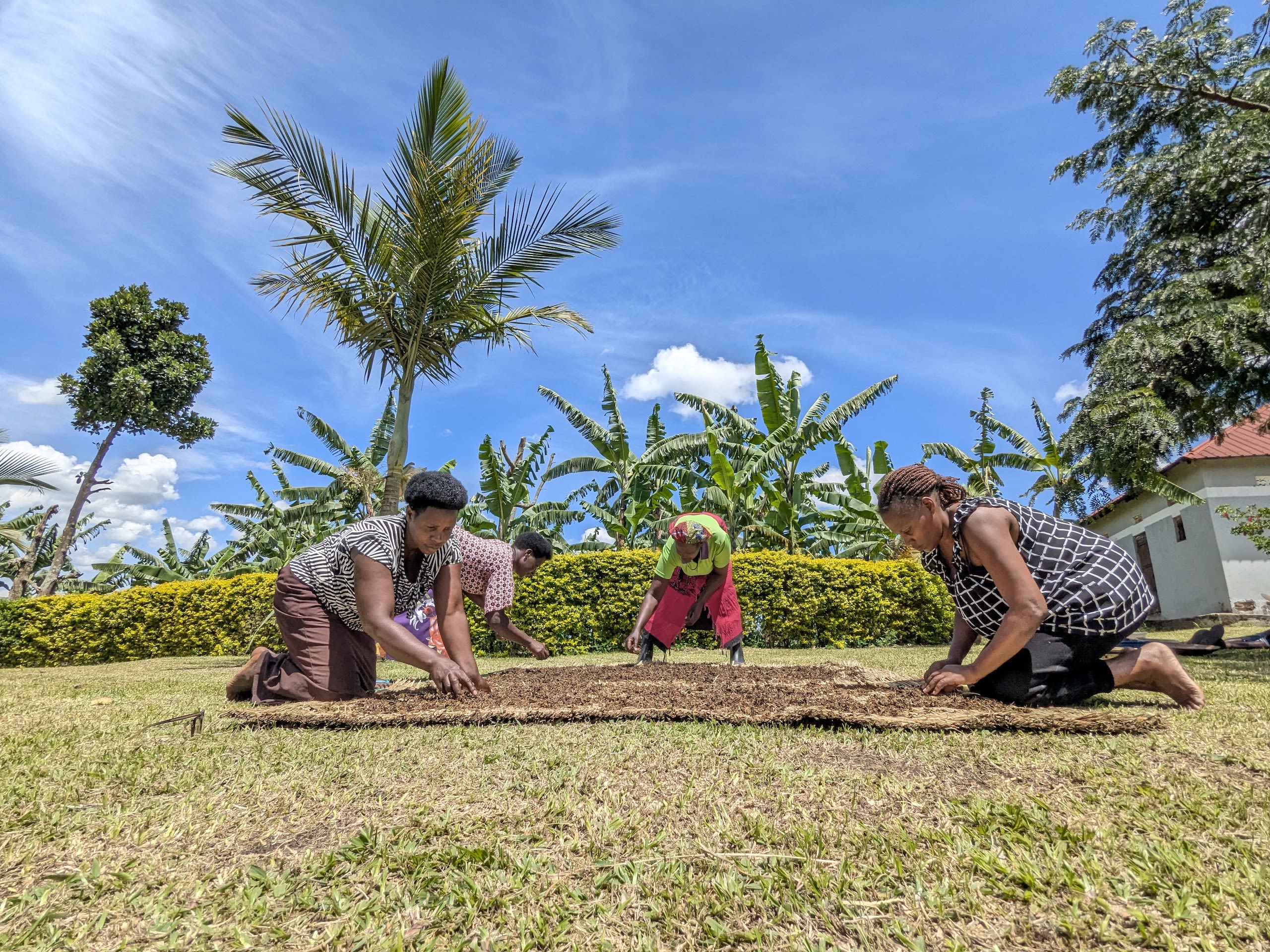
This shift has boosted incomes and changed perceptions, women are no longer seen merely as labourers and suppliers of low value raw materials but as entrepreneurs, exporters, and leaders. The government of Uganda, through the Presidential Advisory Committee on Exports and Industrial Development (PACEID), now consults WiTU to replicate the specialty tea business model across the sector, demonstrating its scalability and national significance.
Furthermore, WiTU’s advocacy against gender-based violence (GBV) within the sector has further cemented their influence, attracting new partnerships and funding.


For the first time, women in Uganda’s tea industry are not only part of the conversation — we are leading it, shaping policies and exporting our own brands.
Julian Nyabuhara, Chairperson, WiTU

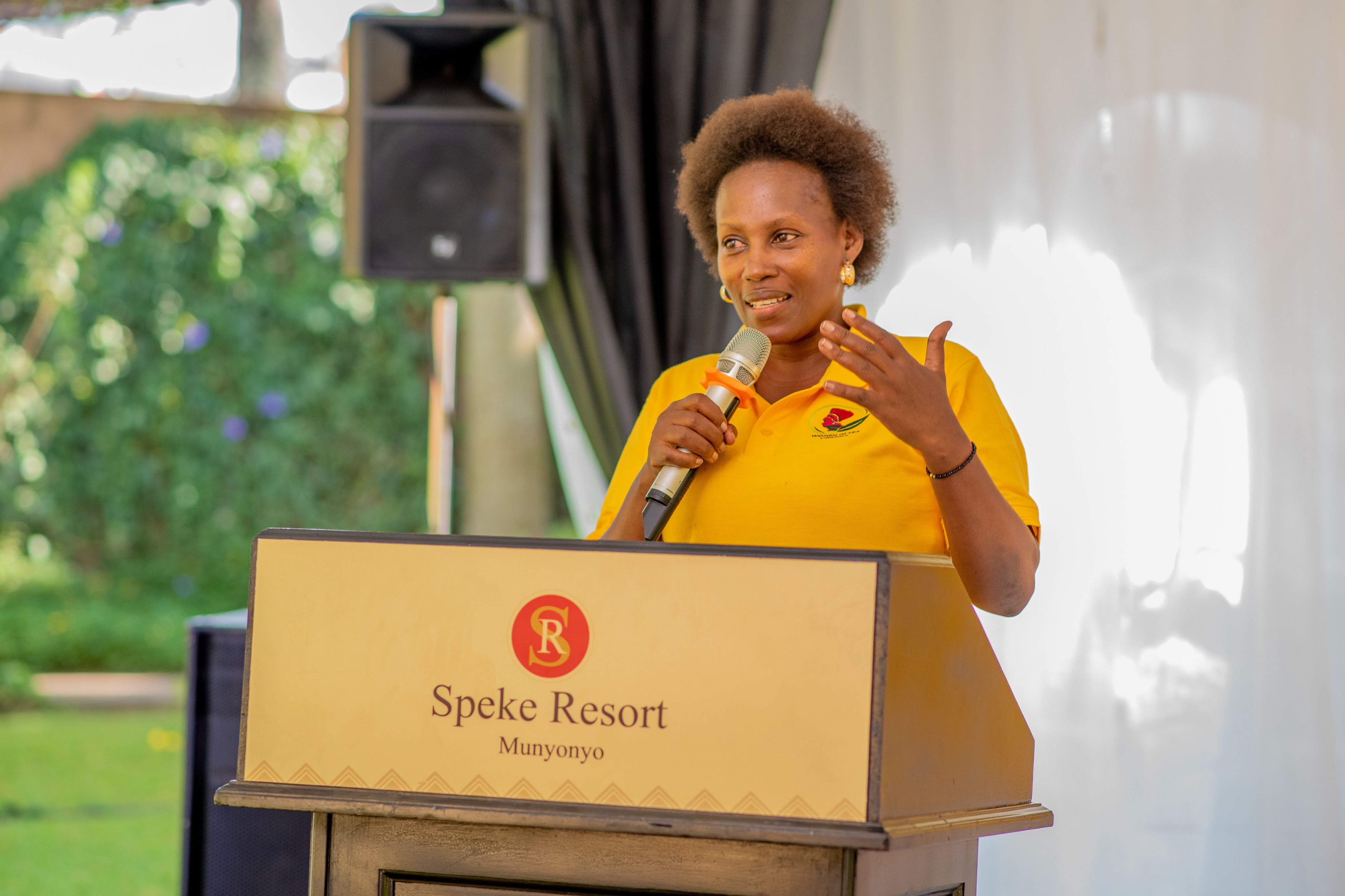
WiTU’s journey embodies the principle that equity is not charity. By coupling advocacy with entrepreneurship, women have secured a seat at the table, dignity in their work, and a pathway to generational transformation.

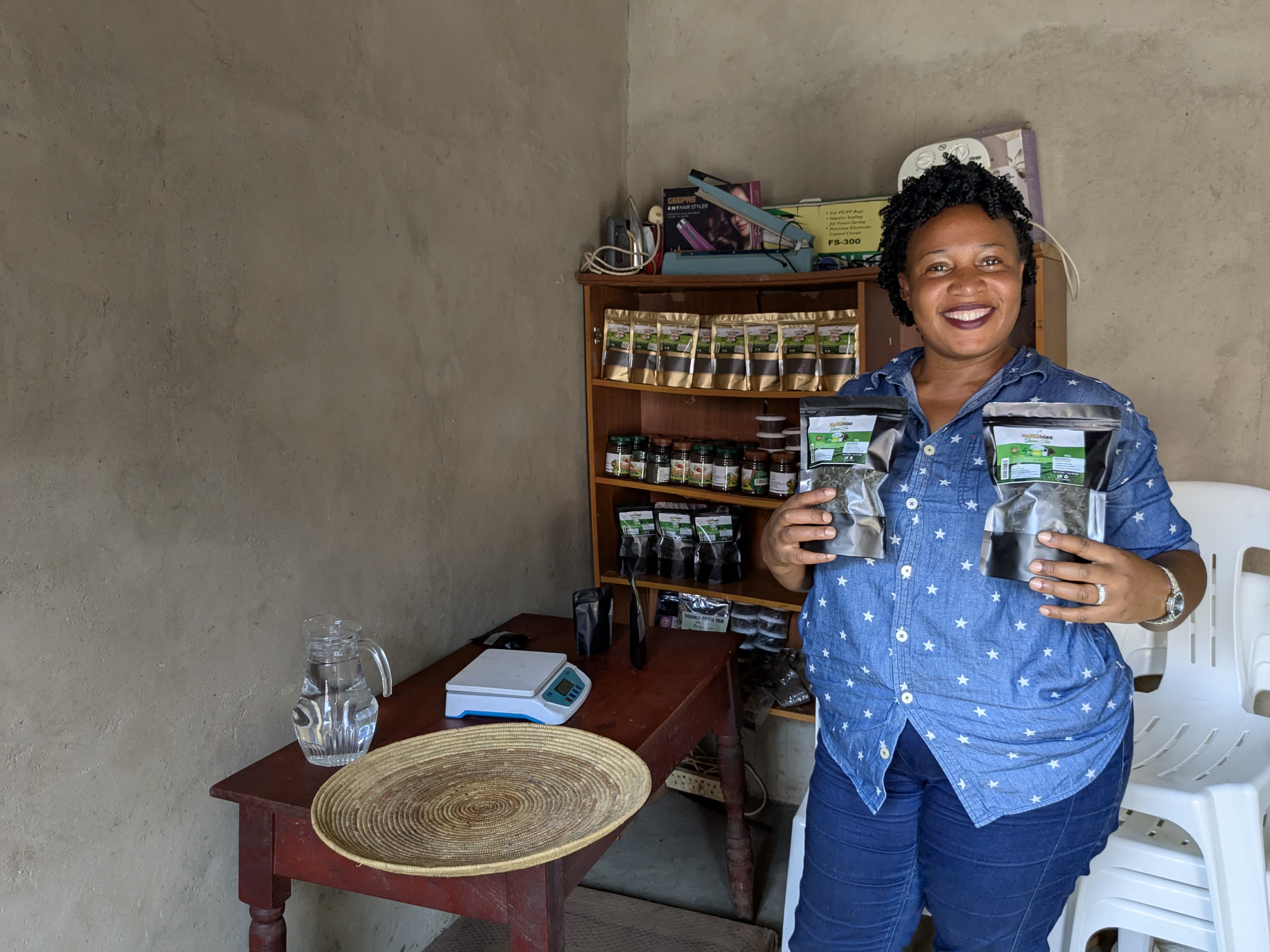
WiTU’s journey embodies the principle that equity is not charity. By coupling advocacy with entrepreneurship, women have secured a seat at the table, dignity in their work, and a pathway to generational transformation.

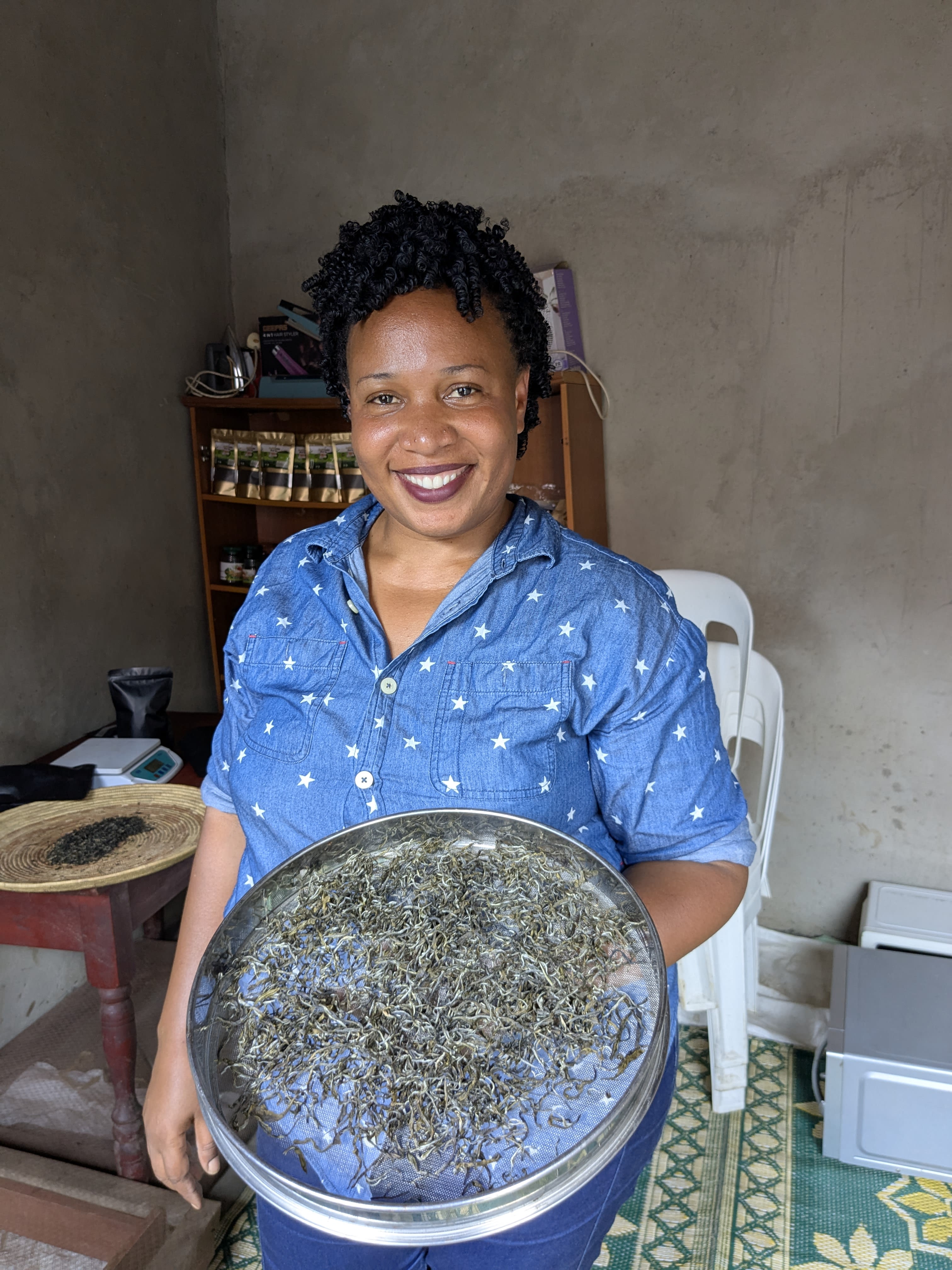
When grassroots mobilization meets inclusive business models
The WiTU model has proven that the combination of grassroots mobilization and inclusive business models leads to women moving from the margins of the sector to decision-making spaces, influencing national policy and accessing premium global markets. Their incomes and social recognition have risen significantly, and they now serve as role models across Uganda’s agricultural sector.
Key insights include:
Policy change is achievable when grassroots voices are organized into a collective platform.
Economic empowerment amplifies advocacy, ensuring women’s voices carry weight.
Specialty tea models can be replicated in other supply chains to transform marginalized farmers into global players.
Remaining opportunities include scaling training on topics such as specialty tea processing, quality control and marketing, in addition to deepening investment in processing infrastructure, and expanding regional markets.

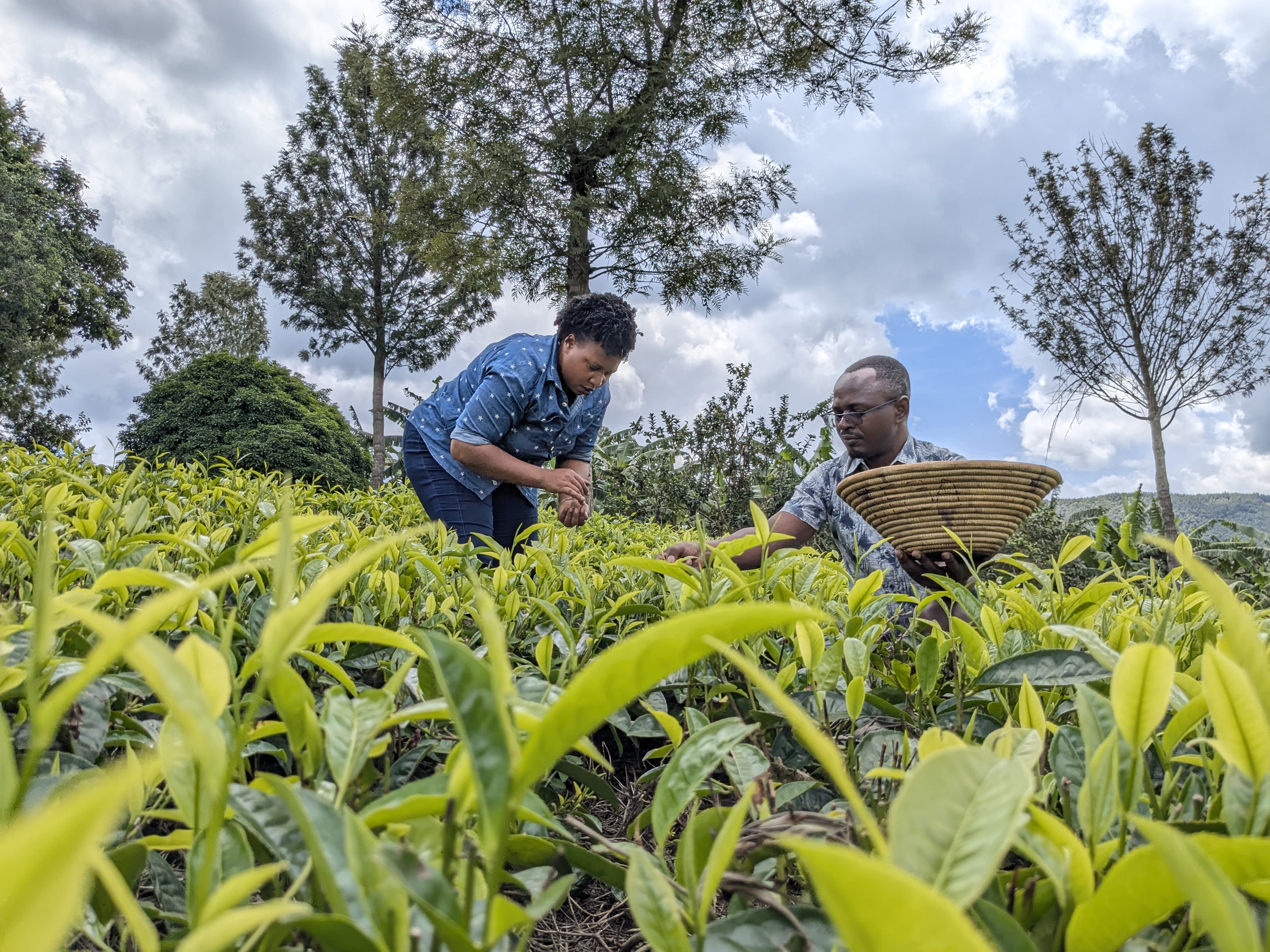
WiTU’s success has sparked interest in replication. Solidaridad, PACEID and market actors are exploring scale-up strategies across Uganda’s tea sector and beyond, targeting marginalized groups such as Kenya Women in Tea Value Chain Association.
The specialty tea model offers a blueprint for other agricultural supply chains such as specialty coffee, where women face exclusion.
Future priorities include strengthening export networks, building climate-resilient production systems, and expanding women’s leadership across multi-stakeholder platforms. With stronger partnerships and resources, WiTU could catalyze a gender-responsive transformation of Uganda’s entire tea sector, positioning women as equal partners in sustainability, trade, and policy.


 Built with Shorthand