
OUR STRATEGY
TRANSFORMATIVE CHANGE ACROSS FOUR PATHWAYS
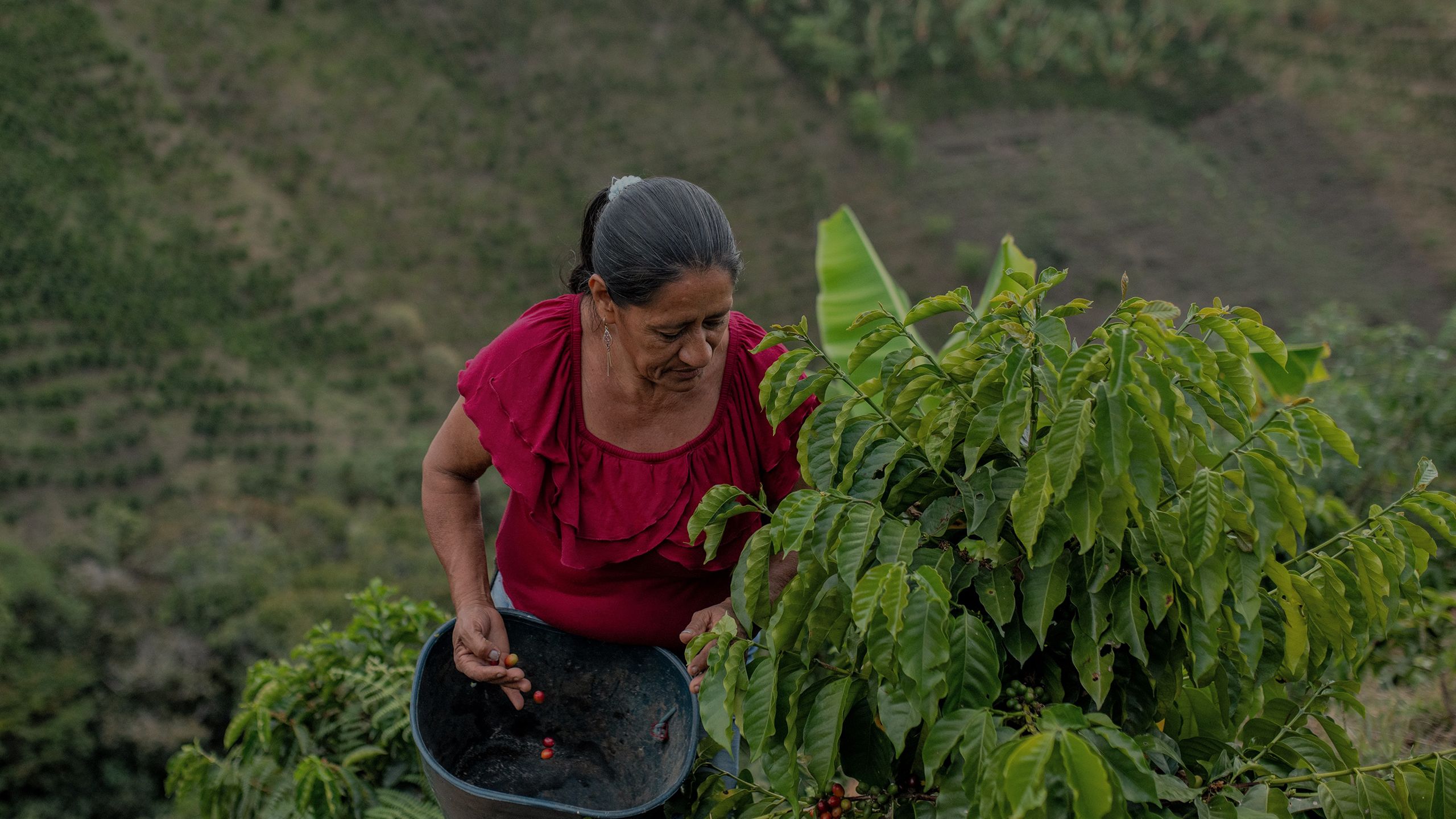

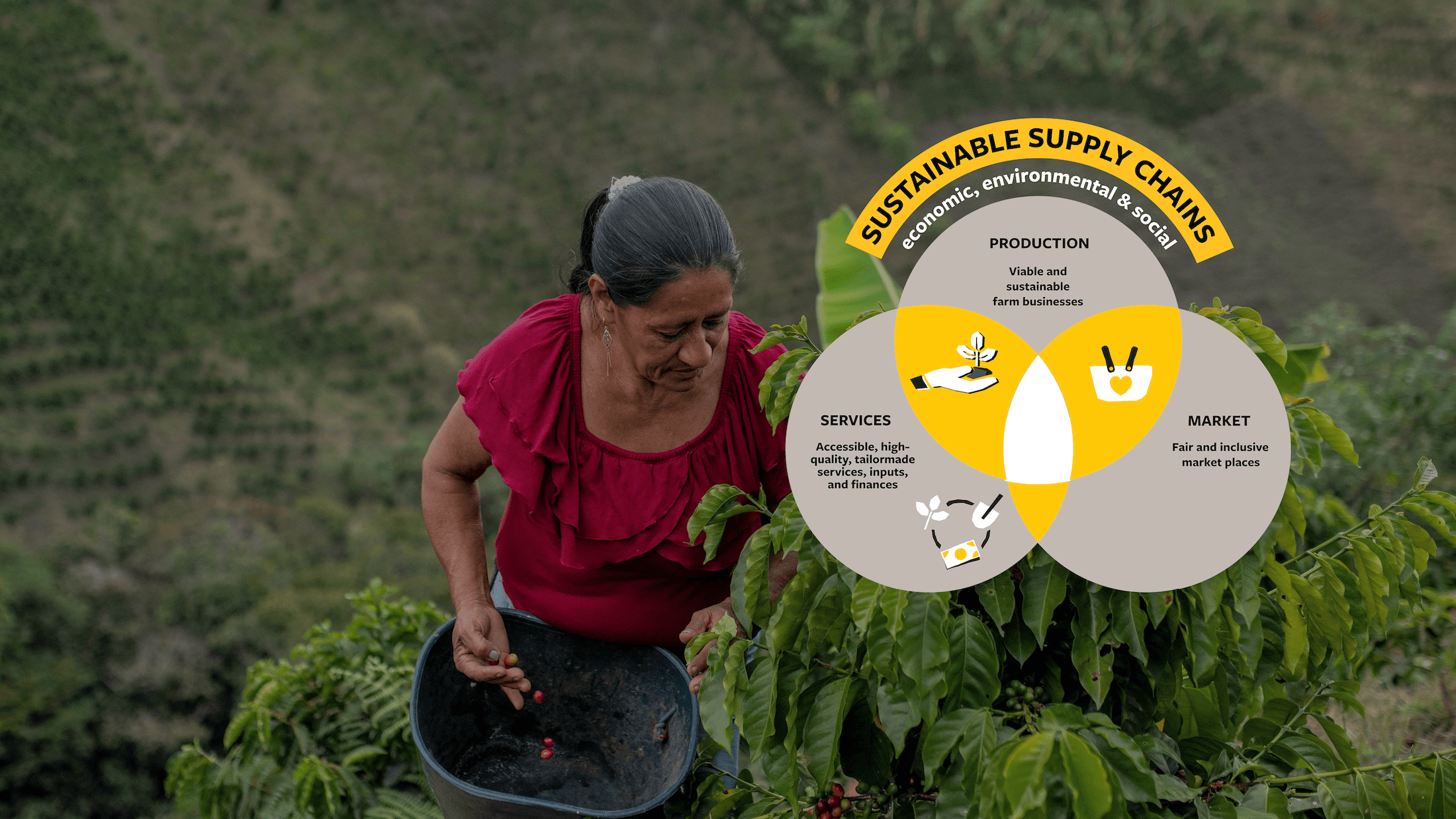
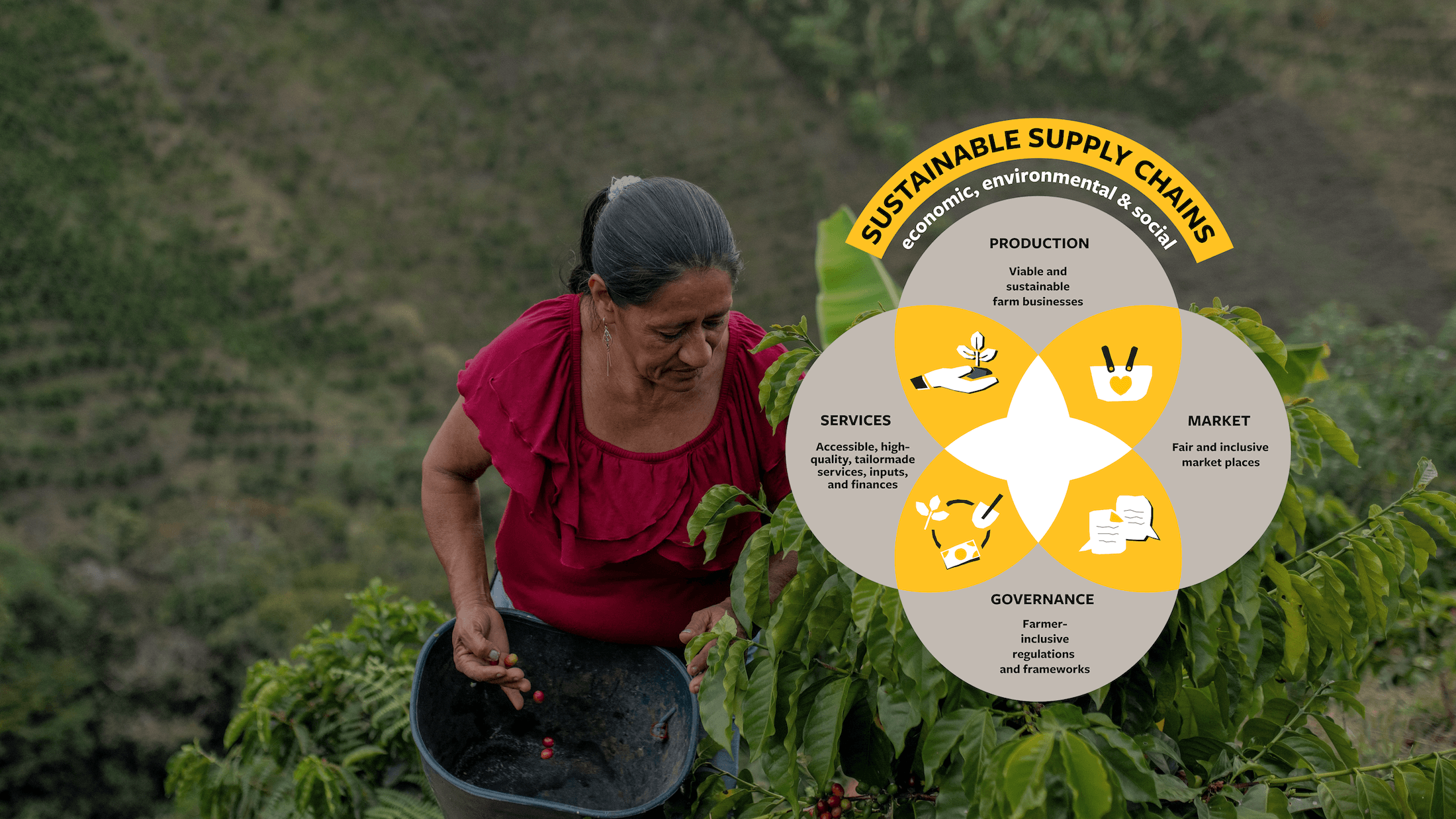
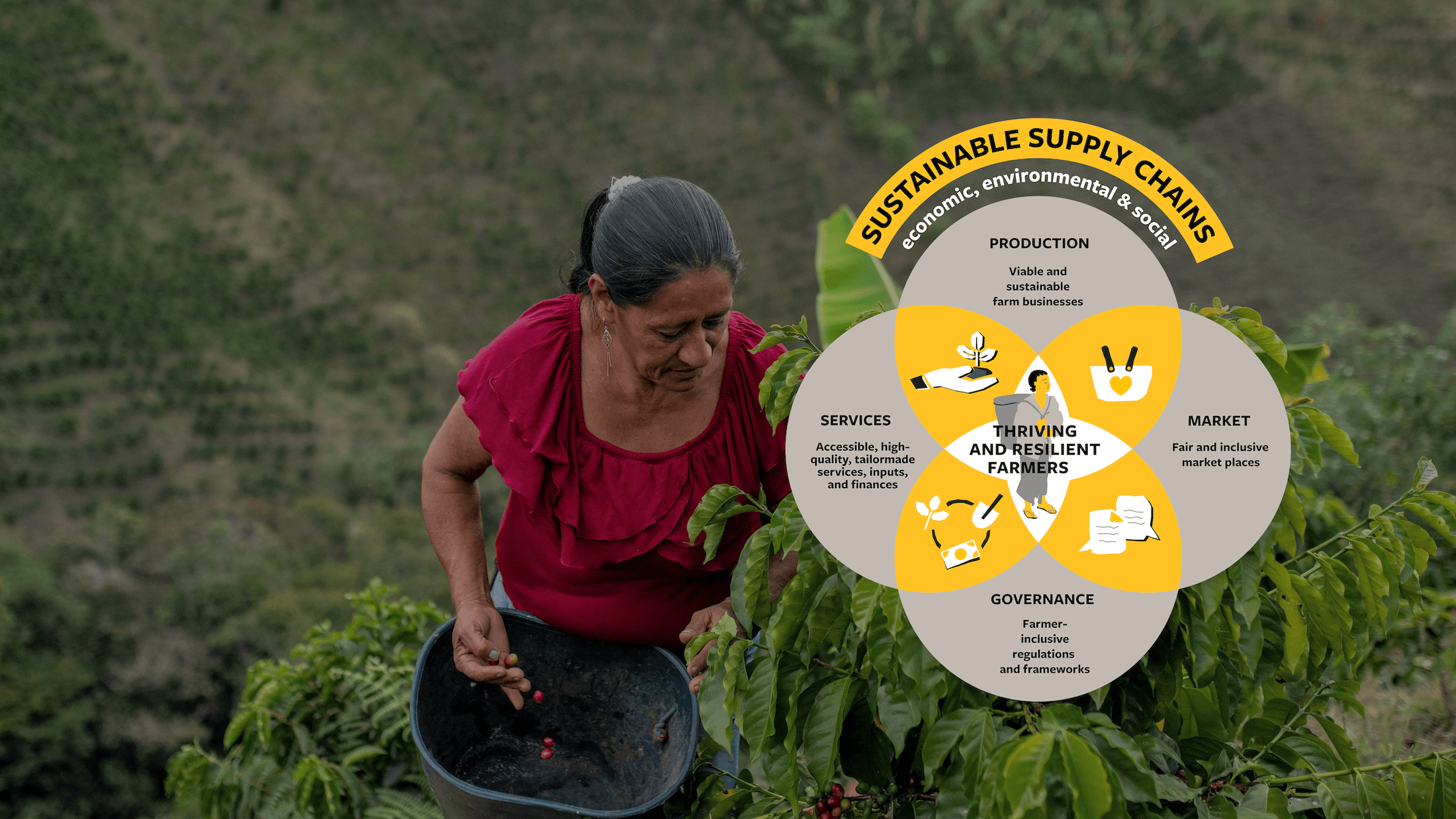
Viable and sustainable farm businesses
We support small-scale farmers to develop viable and sustainable farm businesses that enhance economic, social and environmental sustainability and provide decent jobs for more workers.

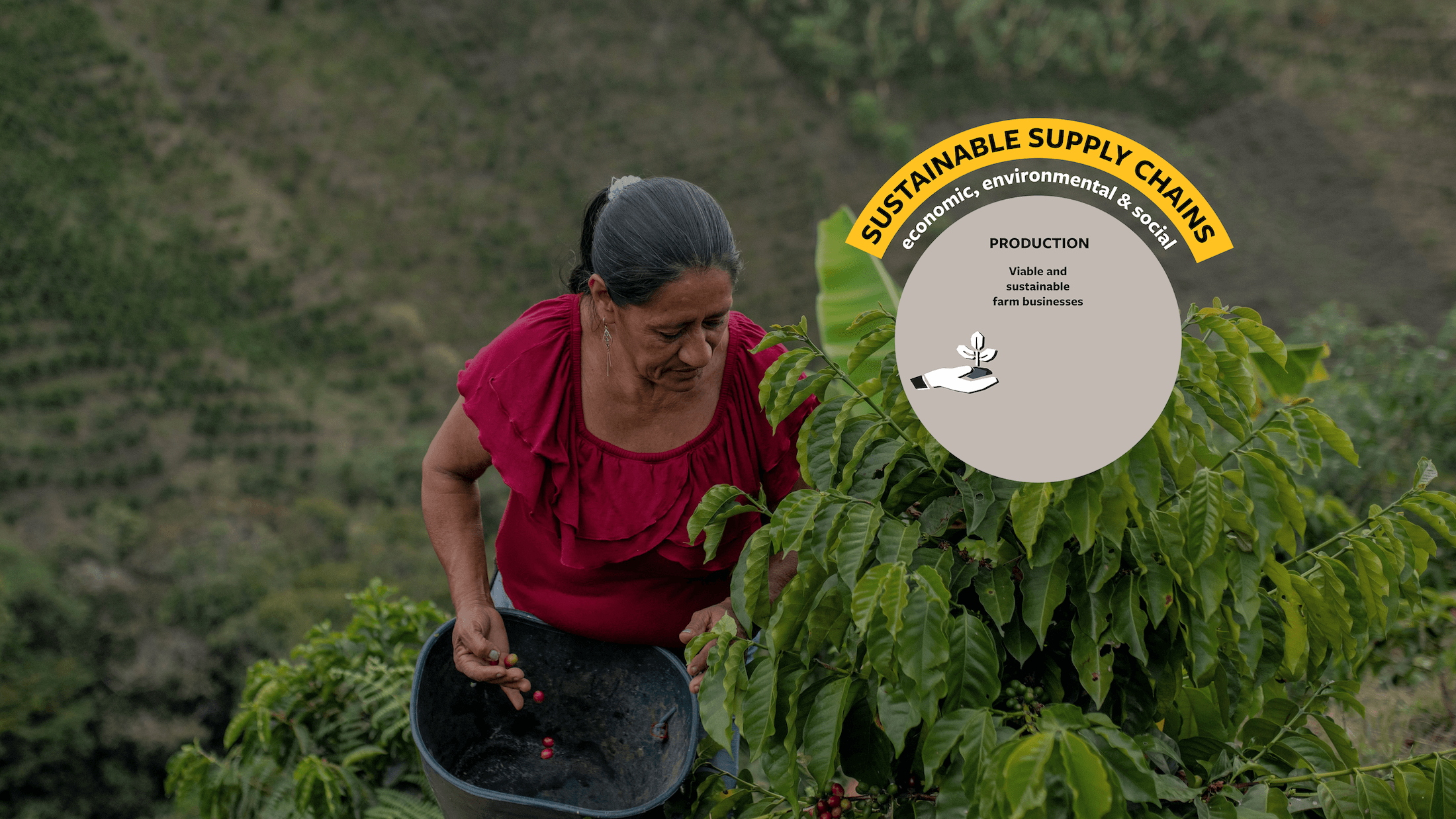
High-quality and accessible services
We work at the local level to establish and bolster a viable service sector that provides farmers with access to high-quality inputs and supplies, digital tools, services, and financing. that meet their needs.

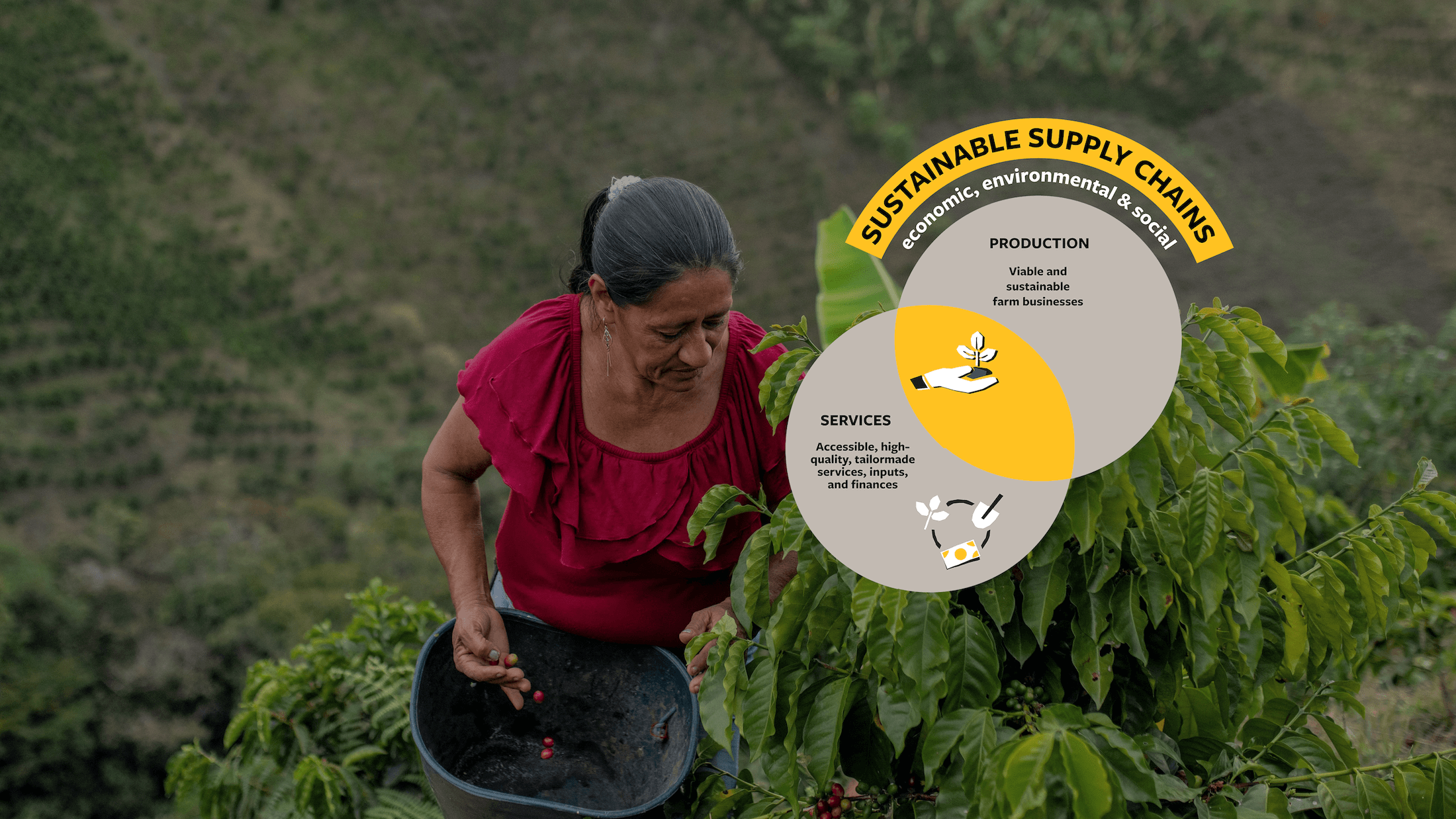
Fair and inclusive marketplaces
We work with international and local market actors to increase sourcing of sustainable and traceable products from small-scale farmers on terms that reward and recognize their efforts.

Farmer-inclusive regulations and frameworks
We spur the public and private sector to build voluntary frameworks and mandatory regulations that protect the interests of farmers and workers, and enable and promote sustainable production and trade.




BREATHING LIFE INTO OUR STRATEGIC DIRECTION
Over the past 55 years, we have made strong progress in our work, but current trends compel us to account for a suite of increasingly urgent challenges. Over the next five years, we will intensify efforts across all four pathways with a specific emphasis on the focus areas below.
Climate Adaptation & Mitigation
To maintain farmers’ ability to continue production on a global scale we will enhance resilience against climate-related shocks and support farmers as they mitigate the effects and adapt their practices.

Case study
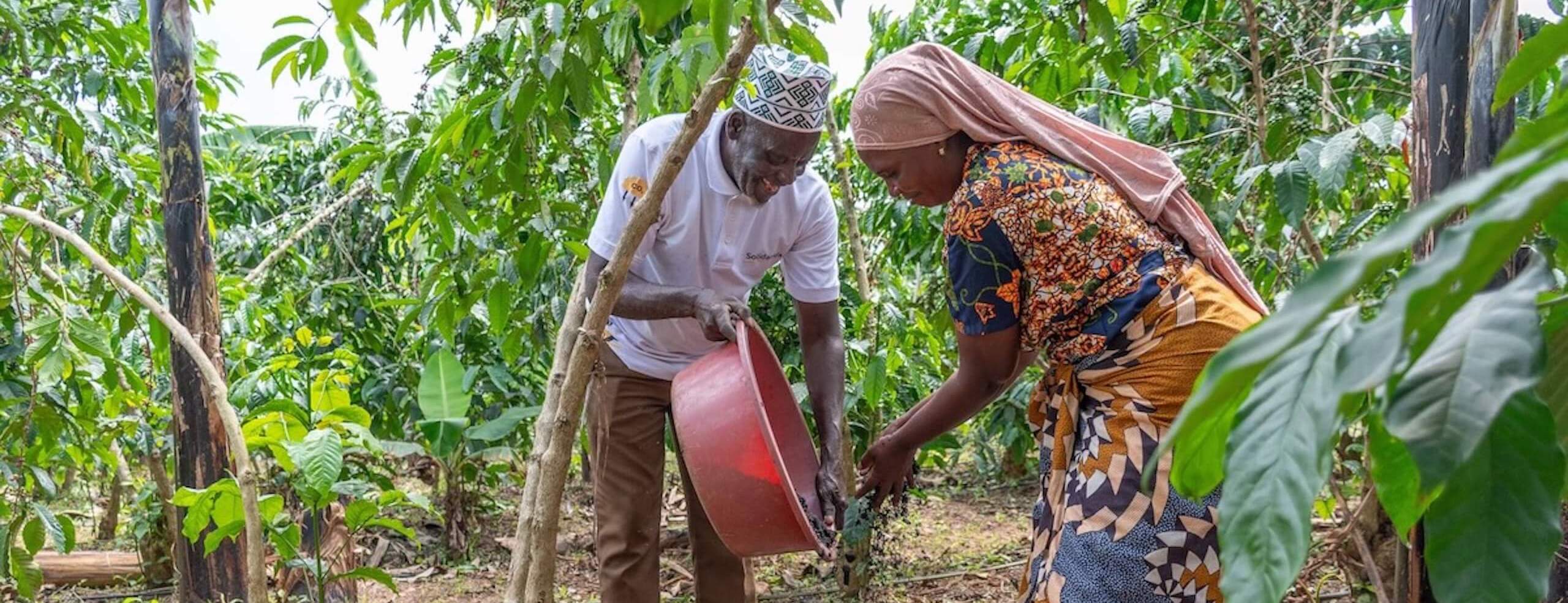
Biochar is a unique soil amendment with powerful properties that can help farmers adapt to a changing climate. We currently work across seven countries to help farmers and entrepreneurs leverage biochar for new opportunities. Read more...
Opportunities for Better Income
As an organization that openly seeks pragmatic solutions, we work alongside farmers to evaluate off-farm income and intensification opportunities to maintain and improve farm income and yields.

Case study
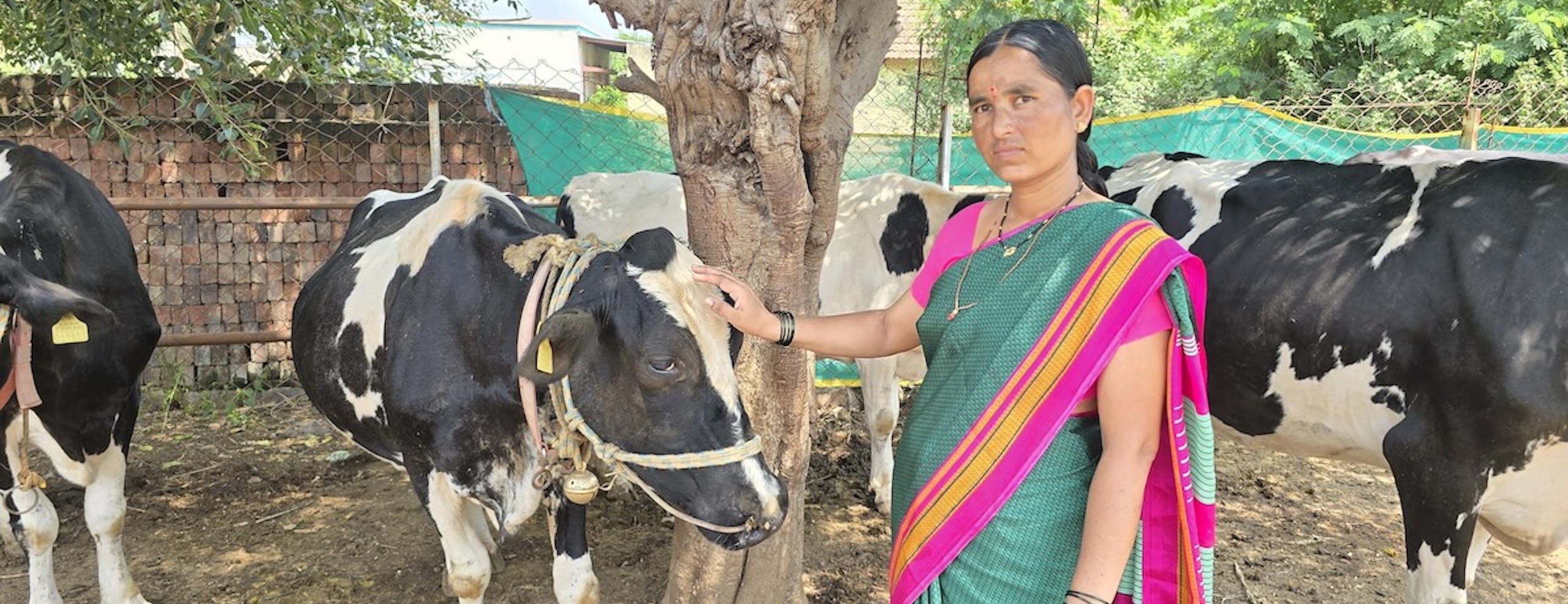
Though India has the world’s highest population of dairy cattle and is the largest milk producer, its 80 million farmers struggle with low productivity and profitability. The Trust Dairy Project from Solidaridad changes the game. Read more...
Decent Work
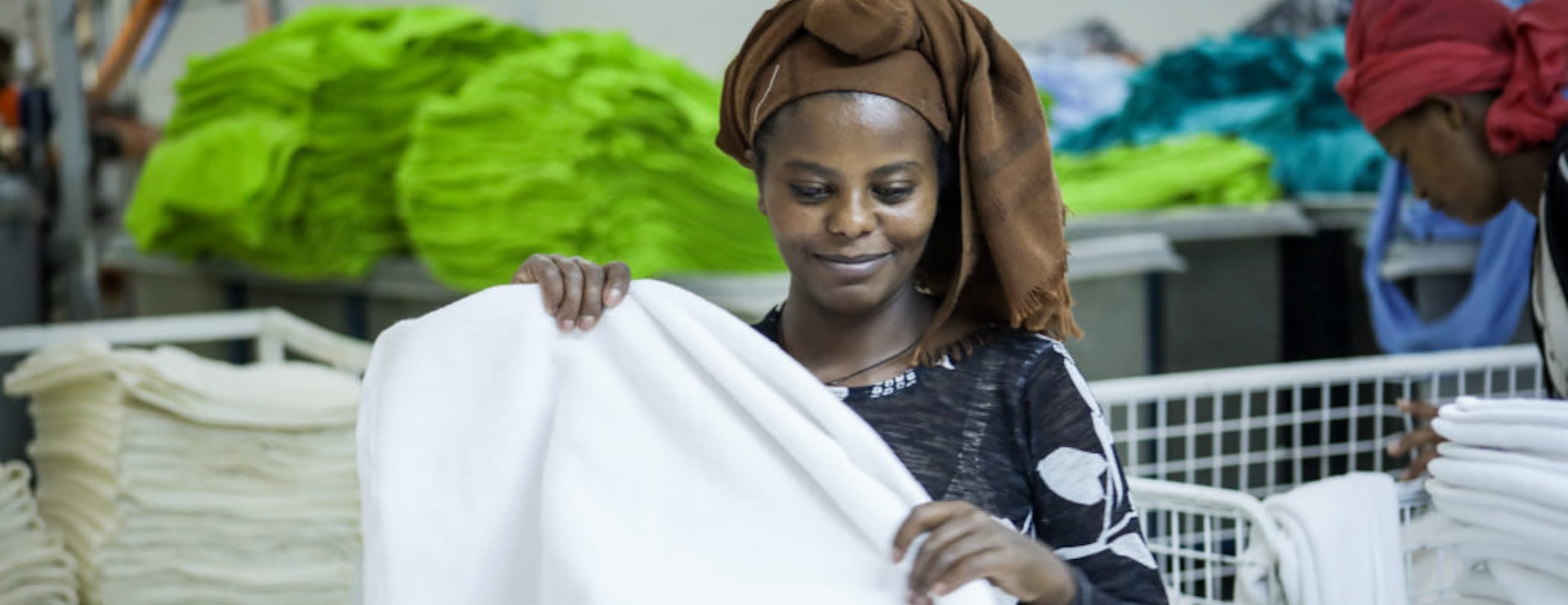
Farm workers – both formal and informal – are among the most vulnerable actors in agricultural supply chains. Solidaridad works with farmers and other employers in the supply chain to ensure that workers’ rights are respected and that they are adequately remunerated.

Case study
The Bottom Up! programme has created a more sustainable cotton and garment value chain in Ethiopia. Training on soft skills and gender equality led to better work treatment and an understanding of rights. Read more...
Access to Finance
Farmers often know what they need to improve their practices and production, and adapt to a changing climate. But lingering perceptions of small-scale farming as a risky venture persist among financial institutions; this often leaves financing out of reach for many farmers. Access to finance is a crucial support for more viable and resilient farms.

Case study
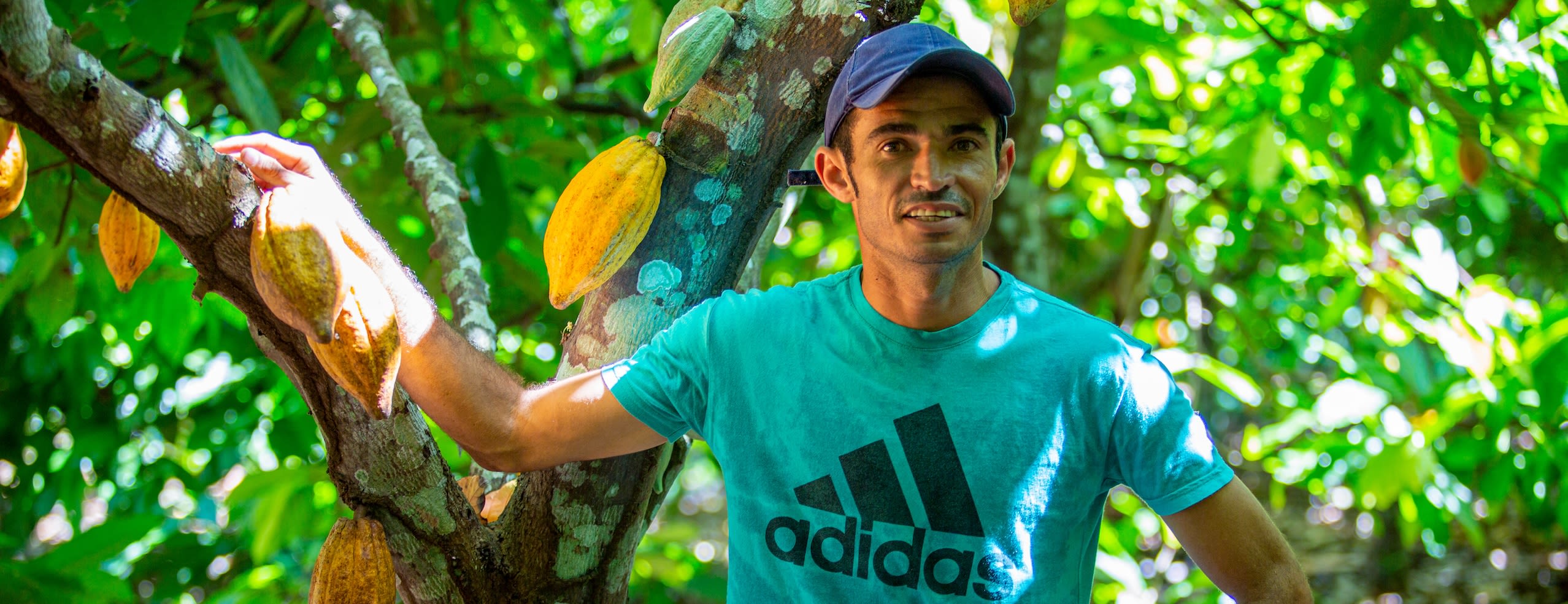
Access to finance to adapt to climate change is a challenge to all farmers. In Brazil, a coalition of organizations have launched a sustainable rural credit project helping nearly 80 families adapt and shift to deforestation-free farming. Read more...
Mandatory & voluntary sustainability frameworks
A wide array of voluntary sustainability frameworks, compliance is becoming more complicated for many farmer organizations. Though well-intentioned, these regulations and frameworks can be a barrier to market access for many small-scale farmers. We actively engage with actors on multiple levels to ensure that small-scale farmers also benefit from the required sector transformation.

Case study
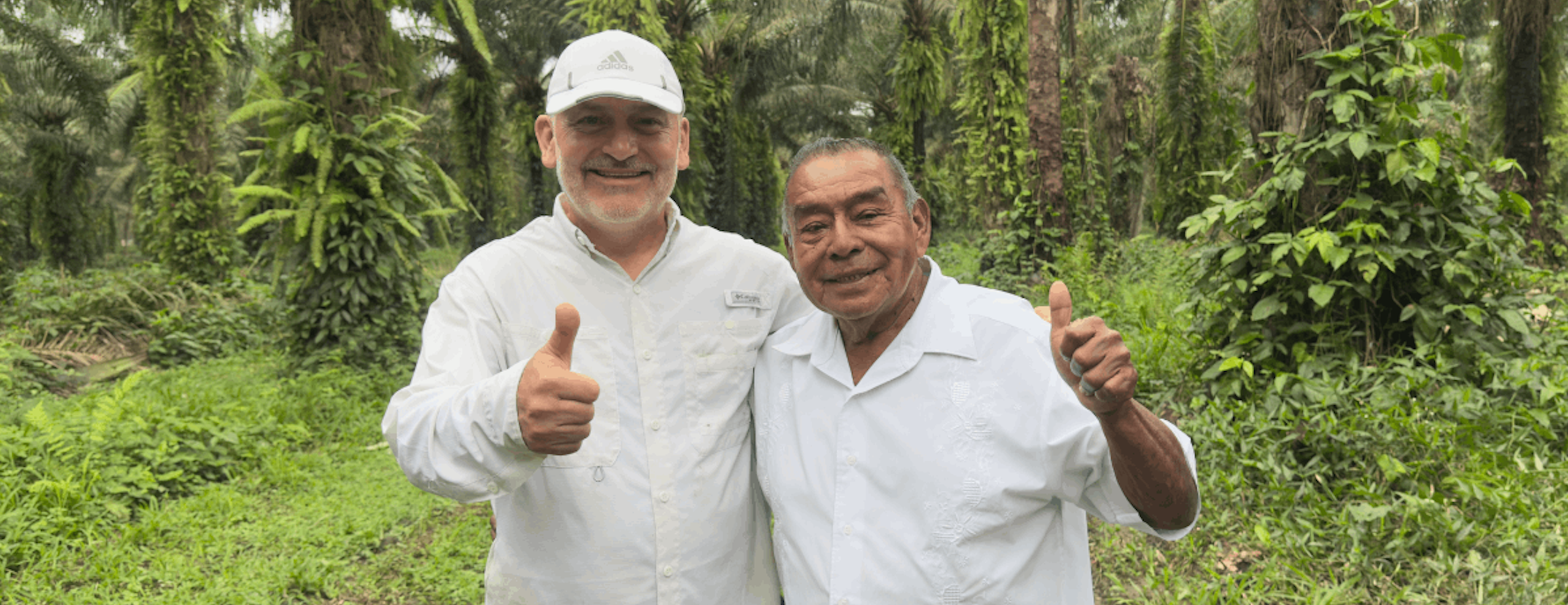
The EUDR is already having an impact on global supply chains. Solidaridad is working with the Honduran federation of palm oil producers to identify and rectify gaps to full compliance. Read more...
Carbon Neutral Supply Chains
The urgent need for a transition to carbon-neutral supply chains grows daily. Our focus is on helping producers and companies transition to carbon-neutral supply chains, with an emphasis on addressing Scope 3 emissions through insetting strategies. Carbon markets have shown potential to finance climate action and carbon reductions if small-scale farmers can participate.
Case study
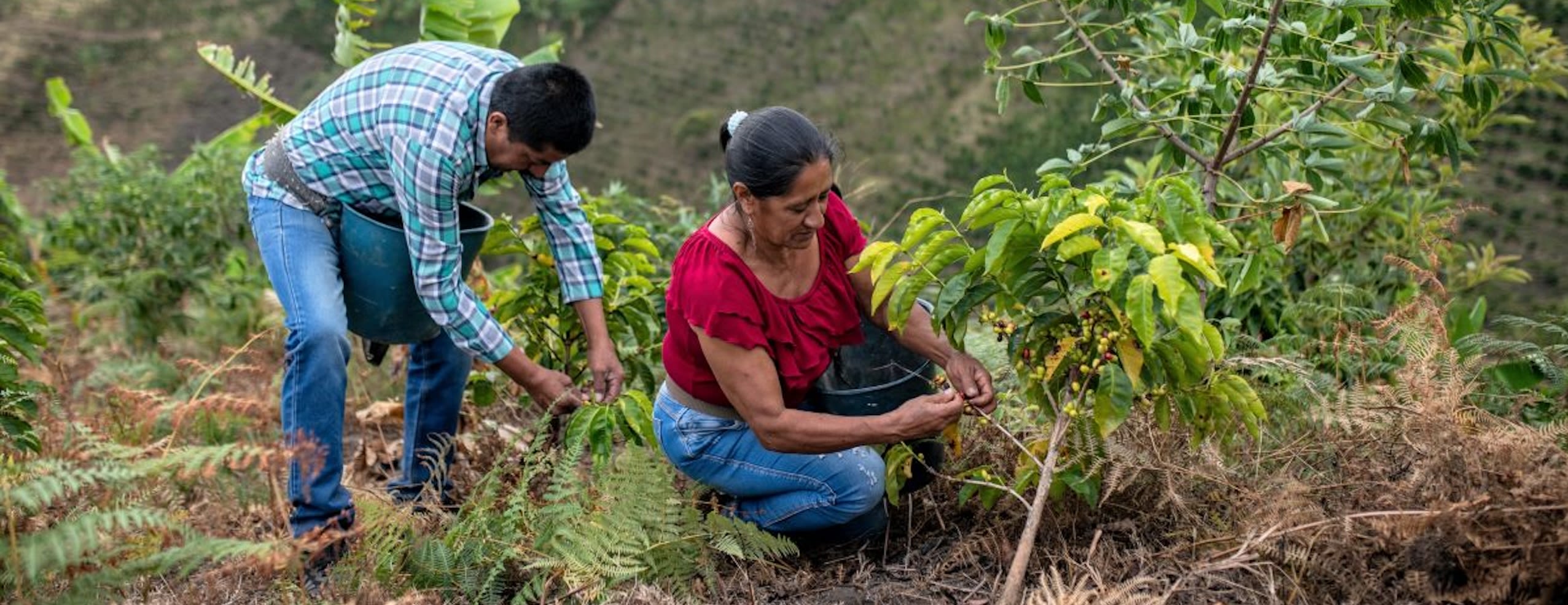
The Climate Heroes programme provides farmers with training and access to finance as they implement agroforestry practices. The approach can help improve and diversify income through better yields, alternative cash crops and access to fairer carbon markets. Read more...
Over the past 55 years, we have made strong progress in our work, but current trends compel us to account for a suite of increasingly urgent challenges. Over the next five years, we will intensify efforts across all four pathways with a specific emphasis on the focus areas below.
Climate Adaptation & Mitigation
To maintain farmers’ ability to continue production on a global scale we will enhance resilience against climate-related shocks and support farmers as they mitigate the effects and adapt their practices.
Case study
Biochar is a unique soil amendment with powerful properties that can help farmers adapt to a changing climate. We currently work across seven countries to help farmers and entrepreneurs leverage biochar for new opportunities. Read more...
Opportunities for Better Income
As an organization that openly seeks pragmatic solutions, we work alongside farmers to evaluate off-farm income and intensification opportunities to maintain and improve farm income and yields.

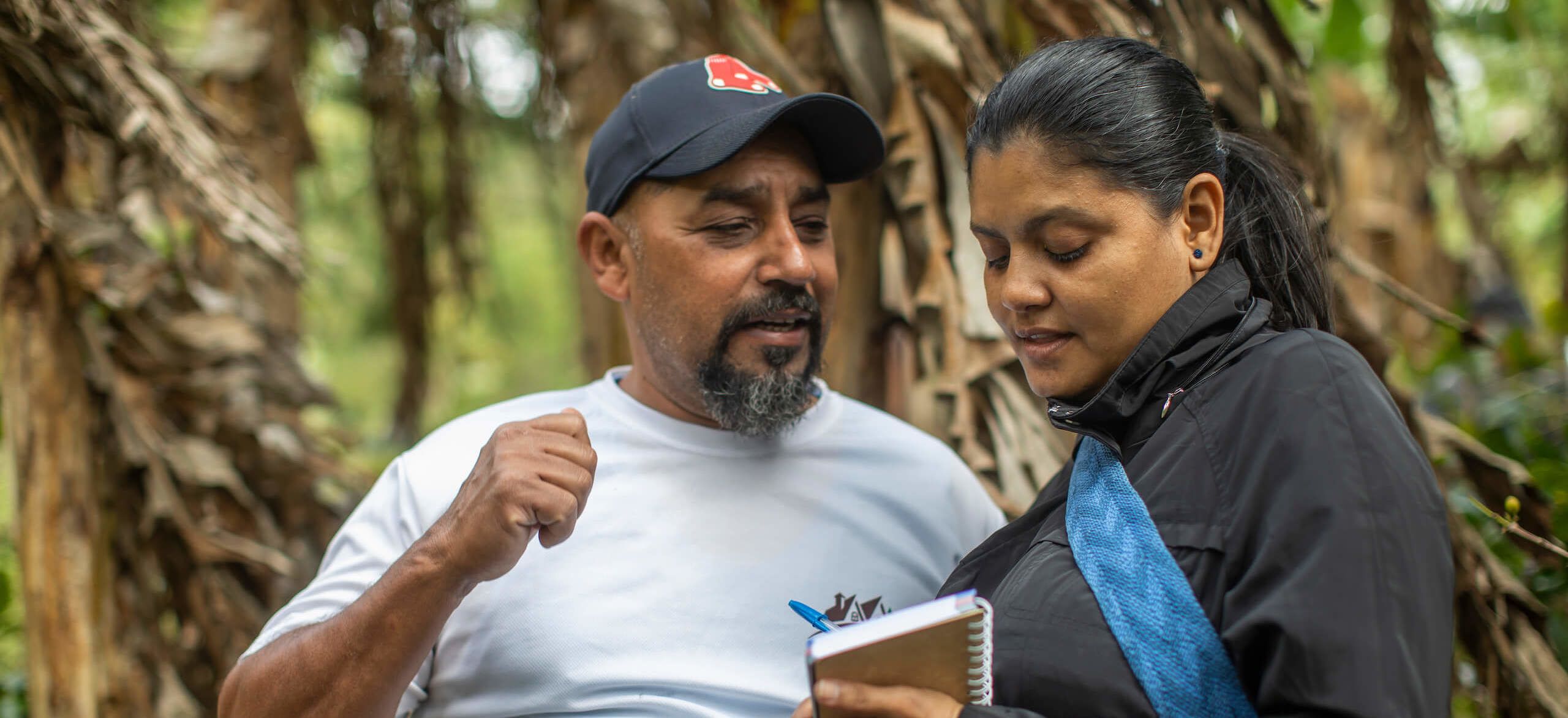
Case study
Though India has the world’s highest population of dairy cattle and is the largest milk producer, its 80 million farmers struggle with low productivity and profitability. The Trust Dairy Project from Solidaridad changes the game. Read more...
Decent Work
Farm workers – both formal and informal – are among the most vulnerable actors in agricultural supply chains. Solidaridad works with farmers and other employers in the supply chain to ensure that workers’ rights are respected and that they are adequately remunerated.

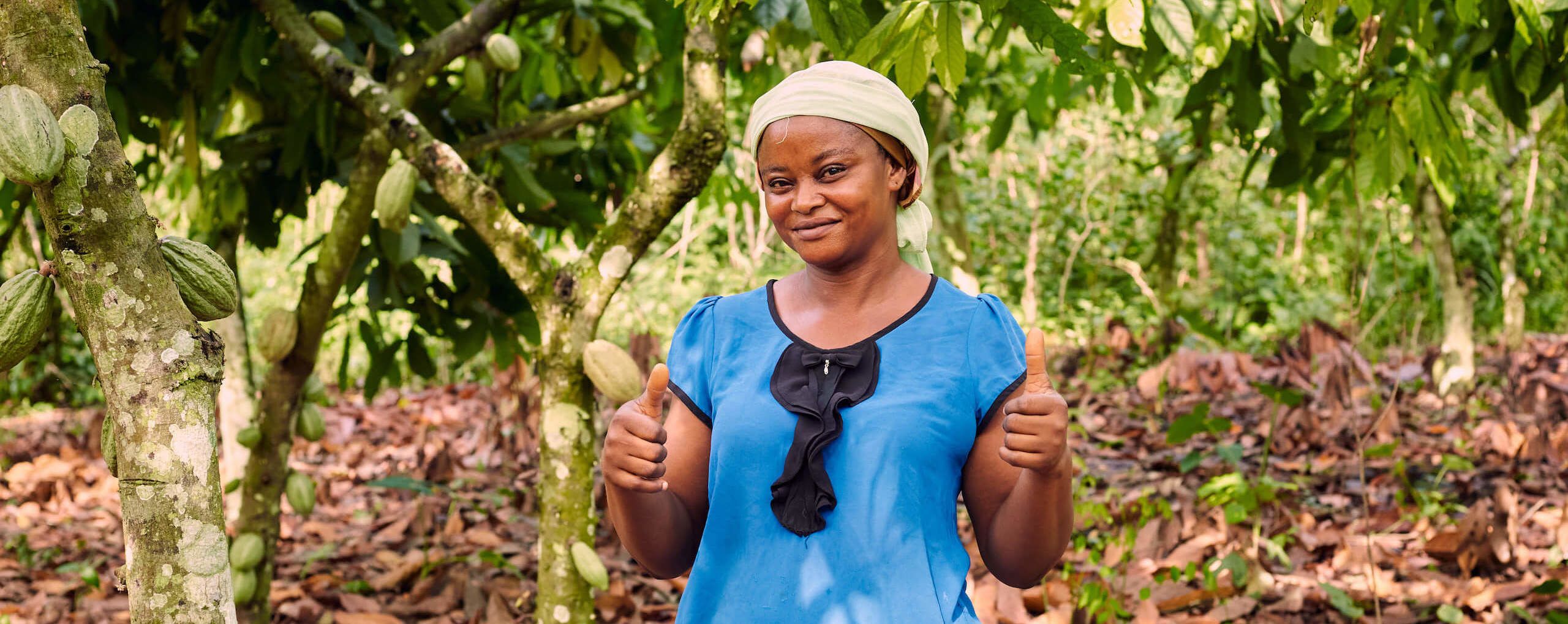
Case study
The Bottom Up! programme has created a more sustainable cotton and garment value chain in Ethiopia. Training on soft skills and gender equality led to better work treatment and an understanding of rights. Read more...
Access to Finance
Farmers often know what they need to improve their practices and production, and adapt to a changing climate. But lingering perceptions of small-scale farming as a risky venture persist among financial institutions; this often leaves financing out of reach for many farmers. Access to finance is a crucial support for more viable and resilient farms.

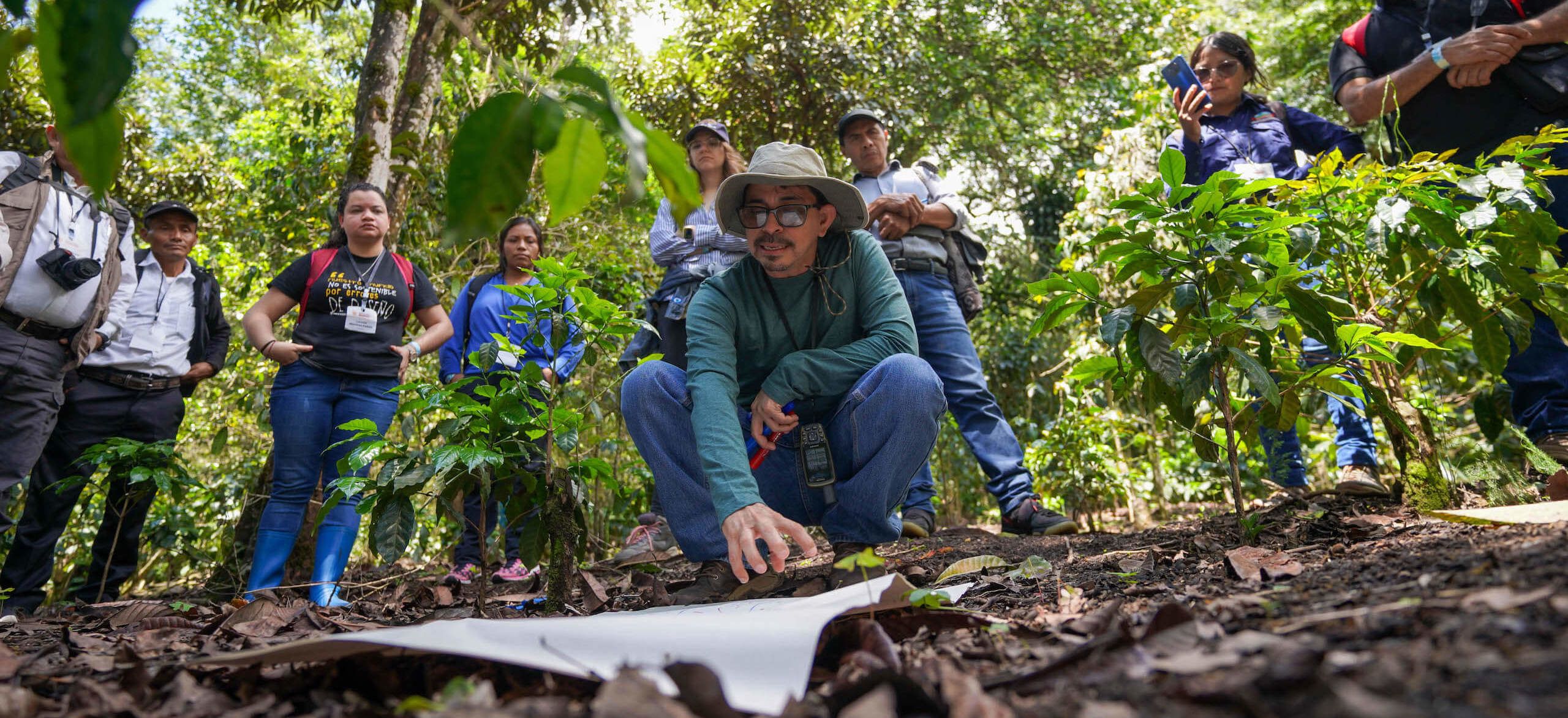
Case study
Access to finance to adapt to climate change is a challenge to all farmers. In Brazil, a coalition of organizations have launched a sustainable rural credit project helping nearly 80 families adapt and shift to deforestation-free farming. Read more...
Mandatory & voluntary sustainability frameworks
A wide array of voluntary sustainability frameworks, compliance is becoming more complicated for many farmer organizations. Though well-intentioned, these regulations and frameworks can be a barrier to market access for many small-scale farmers. We actively engage with actors on multiple levels to ensure that small-scale farmers also benefit from the required sector transformation.

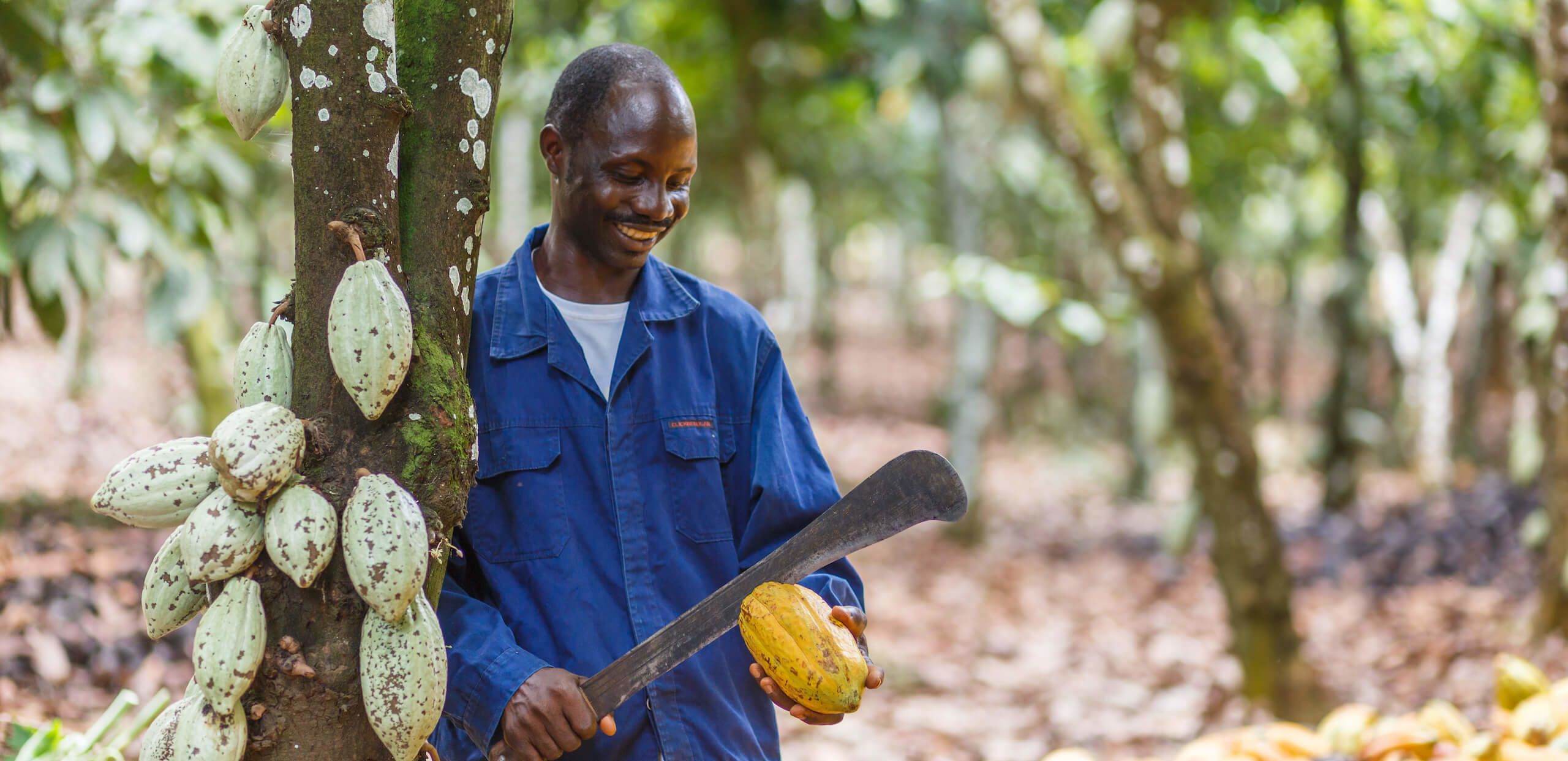
Case study
The EUDR is already having an impact on global supply chains. Solidaridad is working with the Honduran federation of palm oil producers to identify and rectify gaps to full compliance. Read more...
Carbon Neutral Supply Chains
The urgent need for a transition to carbon-neutral supply chains grows daily. Our focus is on helping producers and companies transition to carbon-neutral supply chains, with an emphasis on addressing Scope 3 emissions through insetting strategies. Carbon markets have shown potential to finance climate action and carbon reductions if small-scale farmers can participate.

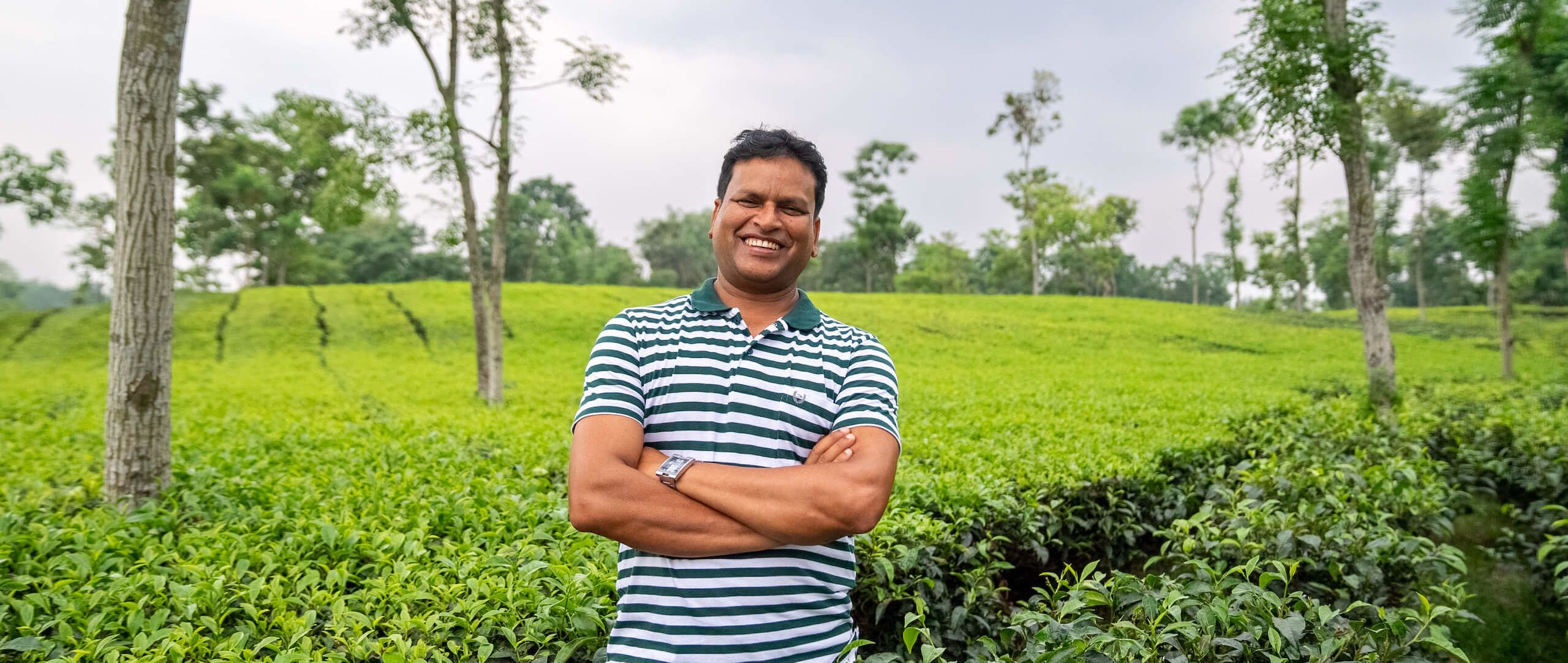
Case study
The Climate Heroes programme provides farmers with training and access to finance as they implement agroforestry practices. The approach can help improve and diversify income through better yields, alternative cash crops and access to fairer carbon markets. Read more...




Change that matters with partners who care. Find out what we can achieve together.
Systemic change cannot be accomplished when actors work in isolation. It requires close collaboration with stakeholders at every level, including farmers, processors and companies, community leaders, civil society, and governments. Each and every actor has a role to play in creating more sustainable and equitable supply chains.
During the previous strategic period (2020 - 2025), a large number of trusted public and private sector actors, as well as foundations and individuals, contributed over 350 million Euro towards our mission. Moving forward, we will build upon this trust and the support of our partners in achieving our mutual ambition for a better world.
GLOBAL NETWORK, LOCAL EXPERTISE
Solidaridad is well-equipped to address the root causes of the issues that farmers face. Our global values – Solidarity, Integrity, Solution-oriented and Impact – power everything we do. We are committed to delivering tangible results for farmers, workers, and funding partners, who recognize both the value and values we bring to every collaboration.
 Built with Shorthand