
RECLAIM Sustainability!
CASE STUDY
The power of collective action in cocoa
Building a European movement for responsible procurement through advocacy, partnerships, and campaigning

RECLAIM Sustainability!
CASE STUDY
The power of collective action in cocoa
Building a European movement for responsible procurement through advocacy, partnerships, and campaigning


REGION
Europe (The Netherlands, Germany, Belgium, France, Switzerland, Luxembourg, and Austria),
as well as main cocoa-producing countries linked to the Dutch market (Ivory Coast, Ghana, Cameroon)
CONSORTIUM LEAD
Solidaridad
PARTNERS
DISCO
GISCO
Beyond Chocolate
FRISCO
SWISSCO
Oxfam Novib
Tony’s Open Chain
Fairtrade the Netherlands
Fairtrade International
Question Mark
REGION
Europe (The Netherlands, Germany, Belgium, France, Switzerland, Luxembourg, and Austria),
as well as main cocoa-producing countries linked to the Dutch market (Ivory Coast, Ghana, Cameroon)
CONSORTIUM LEAD
Solidaridad
PARTNERS
DISCO
GISCO
Beyond Chocolate
FRISCO
SWISSCO
Oxfam Novib
Tony’s Open Chain
Fairtrade the Netherlands
Fairtrade International
Question Mark
Under RECLAIM Sustainability!, Solidaridad Europe and partners have moved beyond traditional agronomic fixes to attempt to break down the structural inequalities, power imbalances, and unfair value distribution that prevent smallholder farmers from achieving a living income. By leveraging high-level advocacy, partnerships and public campaigning, this initiative contributed to shifting responsibility from individual farmers to all supply chain actors. The result is a commitment from leading Dutch supermarkets to adopt responsible procurement practices for their private label cocoa, enabling cocoa farmers to earn a living income. Significant potential exists to scale this model geographically, expand into other commodities like coffee and tea, and extend the approach to major chocolate brands.


The challenges that cocoa farmers face
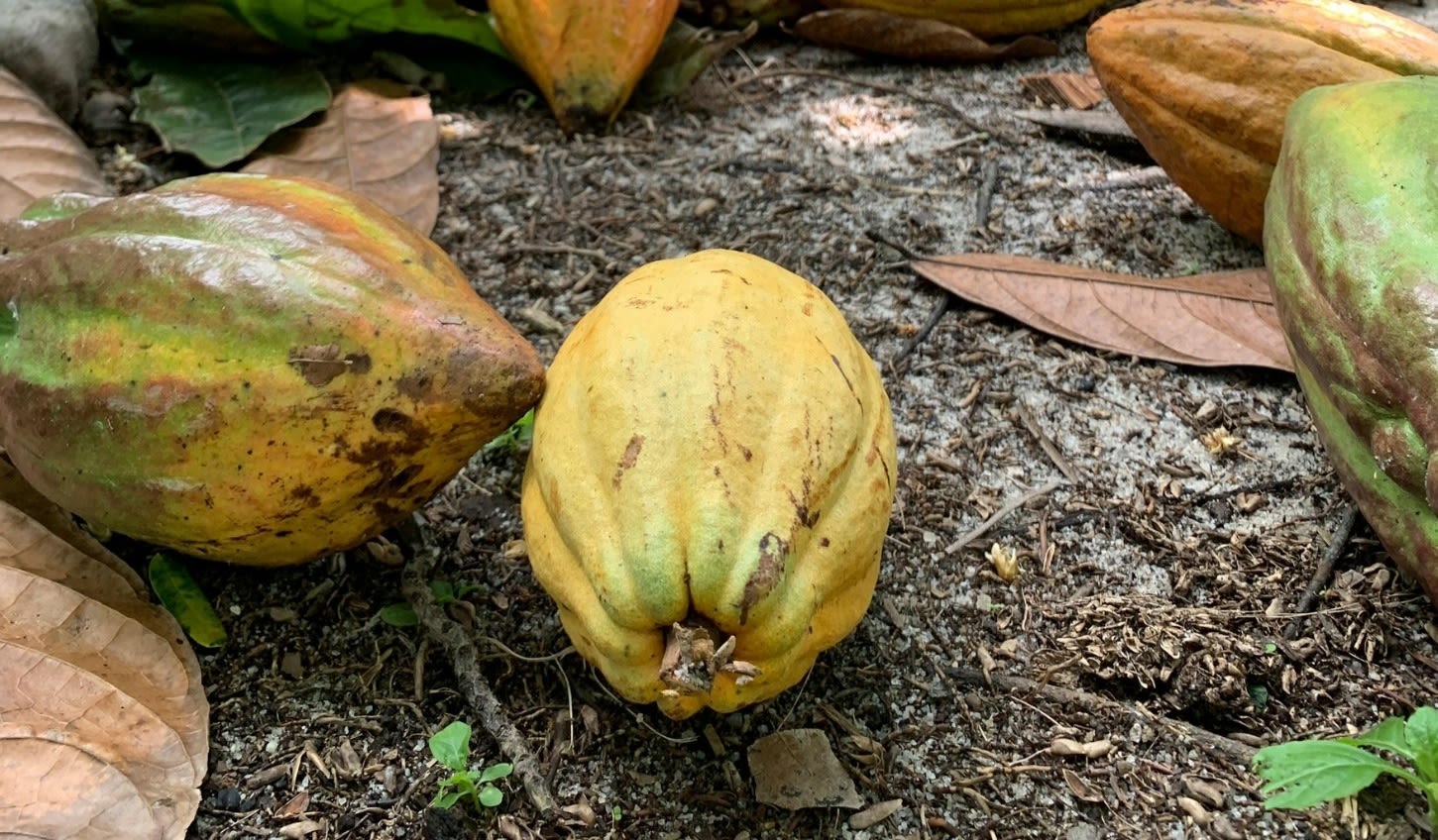
Since late 2023, the cocoa sector has experienced unprecedented turbulence: prices surged dramatically throughout 2024–2025 before falling sharply again in the last quarter of 2025, while crop shortages and climate impacts have continued to push most of the risk onto small-scale farmers, leaving many trapped in poverty.

Fixing the chain, not just the farm
There is significant evidence that current approaches to raise farmer income have had a marginal impact at best. For decades, these approaches have been mostly, if not exclusively, focused on agronomic solutions. Implicit in these approaches is that farmers are poor because they are either not working hard enough, not working smart enough, or a combination of both.
In collaboration with fellow civil society organizations, Solidaridad Europe has pushed to rebalance accountability for farmer livelihoods, moving away from individual farmer responsibility toward a collective supply chain approach involving all supply chain actors. Through the RECLAIM Sustainability! programme, Solidaridad played a pivotal role in the VOICE Network, contributing both technical expertise and strategic media engagement to two editions of the Cocoa Barometer (and related consultative papers). As a globally respected publication reaching millions of industry stakeholders, the Cocoa Barometer has been instrumental in amplifying this call for collective responsibility.
To escape the poverty trap, cocoa farmers must start earning a living income. For living income to become a reality for cocoa farmers, action is necessary on three separate dimensions at the same time: good agricultural practices, good governance policies, and good purchasing practices
Cocoa Barometer, 2025

To escape the poverty trap, cocoa farmers must start earning a living income. For living income to become a reality for cocoa farmers, action is necessary on three separate dimensions at the same time: good agricultural practices, good governance policies, and good purchasing practices
Cocoa Barometer, 2025
Advocating for good procurement practices
Our movement towards good procurement practices began in 2020, through the Dutch Initiative on Sustainable Cocoa (DISCO), a multi-stakeholder platform uniting traders, brands, retailers, governments, civil society organizations and research institutes. As a steering committee member, Solidaridad Europe pushed for action and delivery of a 2030 living income ambition.
Key milestones include:
- Setting the standard: DISCO agreed on the Procurement Practices Principles: A DISCO Position Paper, establishing a blueprint for responsible procurement practices.
- The ripple effect: Because DISCO set the most ambitious living income commitments in Europe, it served as a catalyst for similar platforms in Belgium (Beyond Chocolate), Germany (GISCO), and Switzerland (SWISSCO).
- European alignment: this resulted in the ISCO statement at the World Cocoa Conference 2024, aligning European markets towards a unified living income strategy.

As a key member of the VOICE Network, we co-authored a guide on Good Purchasing Practices, outlining clear, actionable demands for companies:
Alongside these initiatives, Solidaridad Europe collaborated with civil society partners to challenge chocolate brands, retailers and traders to pay a fair price, share the risks, and be accountable, by way of a call to action based on the Good Purchasing Practices concept, developed by Tony’s Open Chain and Fairtrade International.
Throughout this process, Solidaridad has maintained a critical perspective on Fairtrade’s Living Income Reference Price (LIRP) levels. While we acknowledge them as a positive step forward, we argue that these prices are still too low to provide a truly sustainable living income. Solidaridad’s contribution to the debate has led to the model being revised at present (in early 2026).
Public campaigning and increasing pressure on Dutch supermarkets
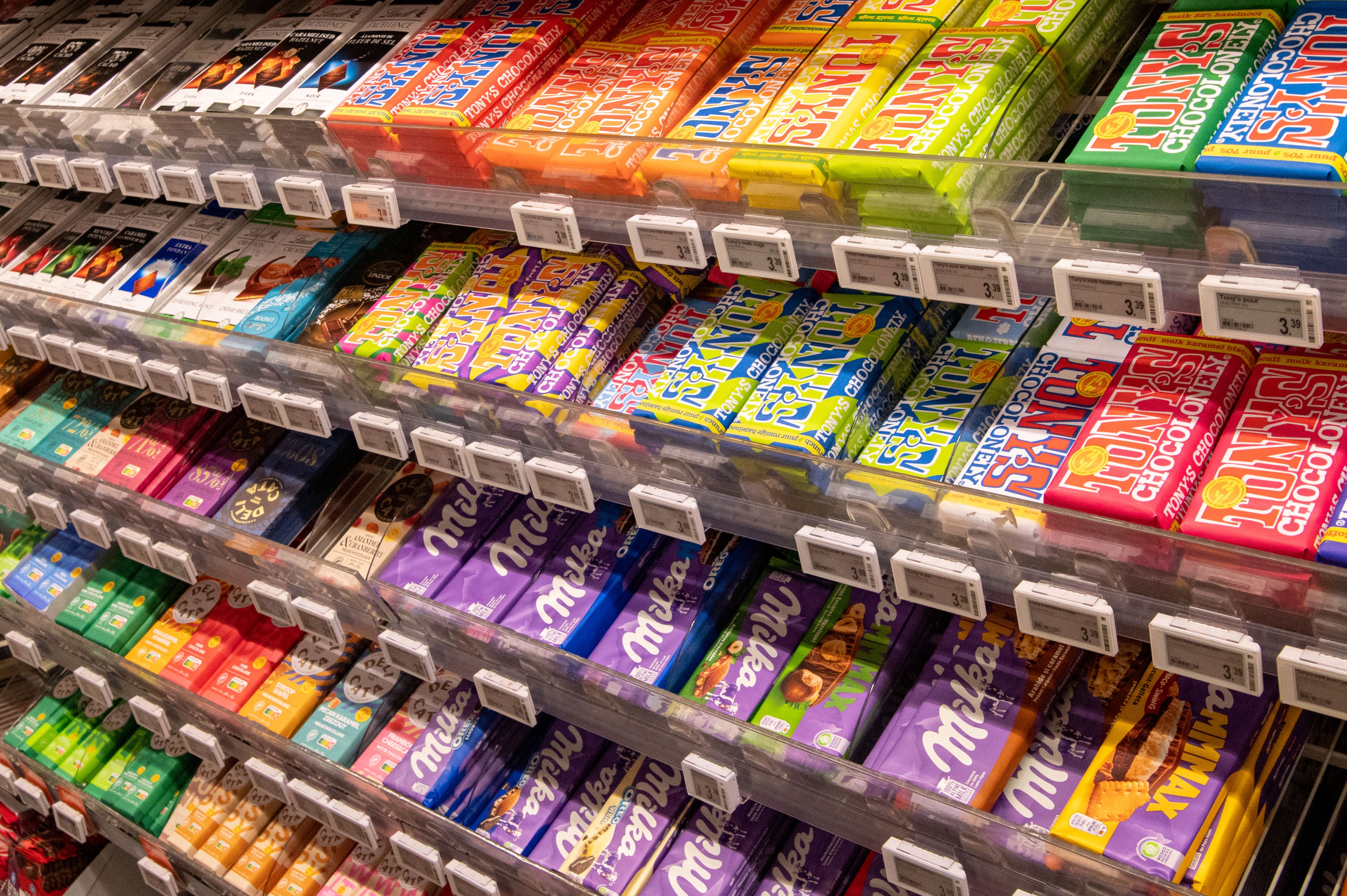
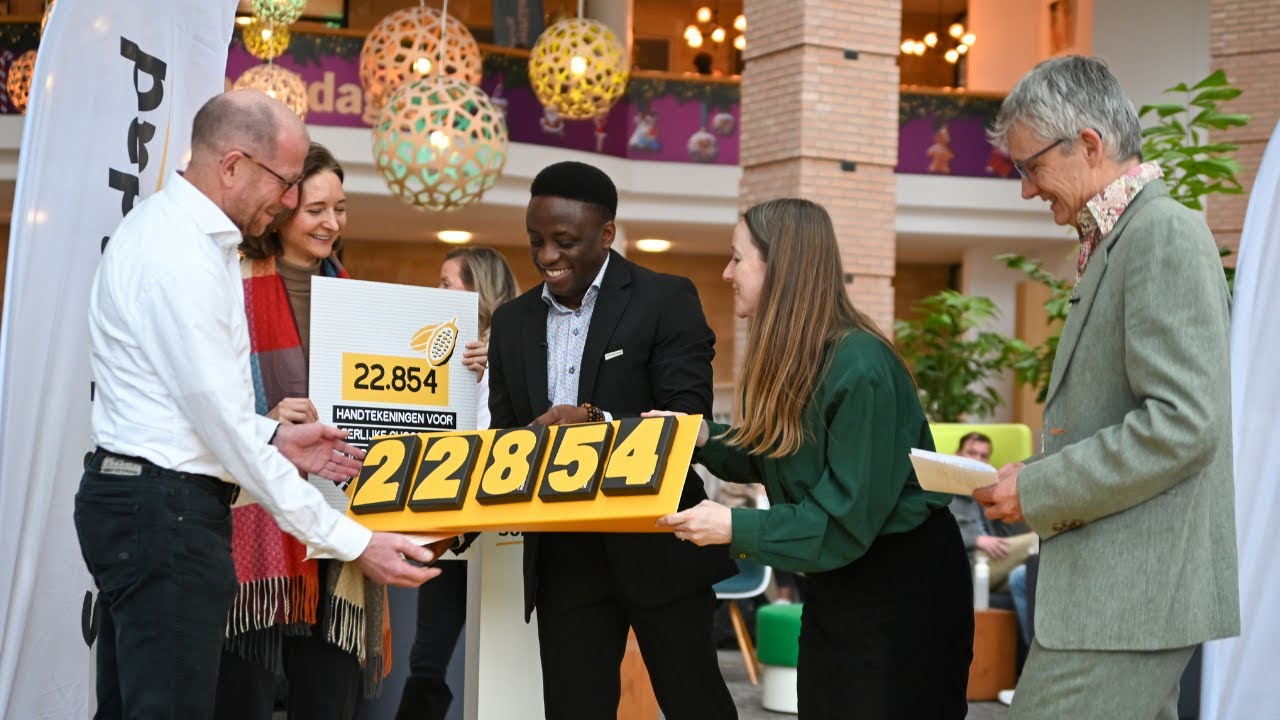
Building upon the call to action mentioned above, and the findings of the Superlist Social 2023 benchmark report, which we wrote in collaboration with Question Mark and Oxfam Novib, we developed a multi-annual consumer campaign to increase pressure on Dutch supermarkets, to call on them to ensure that all chocolate products sold on their shelves contain sustainable cocoa, and that they use their procurement power to change the status quo and influence brands to adopt responsible procurement practices. After all, as the primary link between farmers and consumers, supermarkets sit at the heart of our global food systems. This unique position gives them both the power and the responsibility to drive systemic change. With a potential reach of 6 million, the campaign's visibility rivalled any other campaign undertaken by Solidaridad Europe.
Systemic change gains momentum through collective action
The milestones described above laid the groundwork for Dutch supermarkets Albert Heijn, Superunie, Jumbo and Lidl to adopt responsible procurement practices for their private label cocoa. By committing to Living Incomes for cocoa farmers in their supply chain, these supermarkets have committed to a proven model for responsible procurement.
Our work was effective because it combined high-level ambition with advocacy, partnerships, and campaigning. Living income targets agreed in DISCO created a ripple effect and broader alignments, while advocacy, publications, benchmarking and campaigns delivered with partners added pressure and accountability. At the same time, ready-made models from Tony’s Open Chain and Fairtrade lowered the barrier for retailers to act.
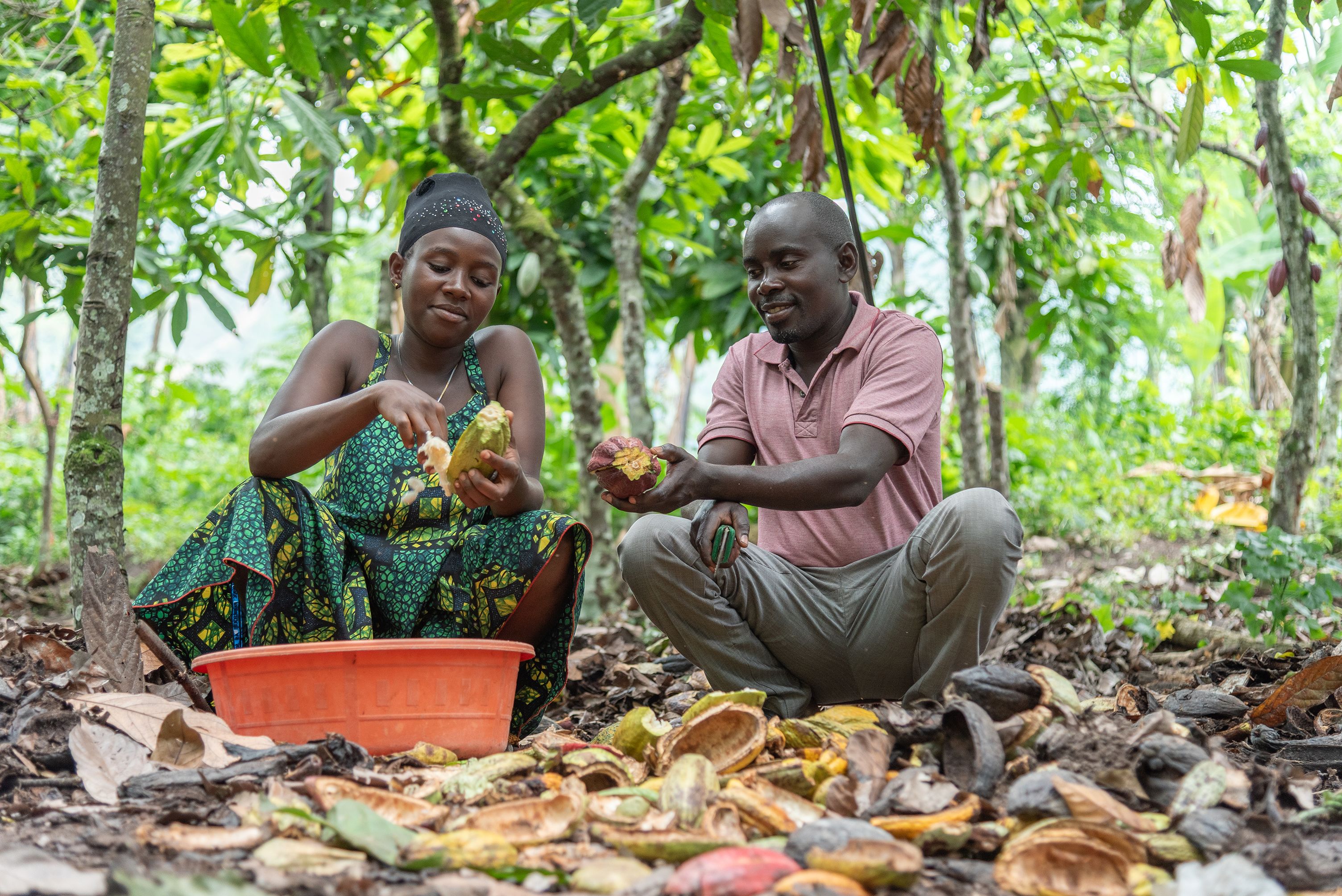
The key insight: systemic change requires long-term persistence, but gains significant momentum when stakeholders align their unique strengths through collective action.

The key insight: systemic change requires long-term persistence, but gains significant momentum when stakeholders align their unique strengths through collective action.
The next potential for impact lies in scaling both in the Netherlands as well as to other countries and across commodities, as well as with chocolate brands.
Geographically, there is a clear opportunity for remaining Dutch and European retailers to follow the lead of Albert Heijn, Superunie, Jumbo, and Lidl, fostering a unified European movement for responsibly purchased cocoa.
Beyond cocoa, this model can be adapted to other high-risk commodities, such as coffee and tea, where producers face similar income gaps. Finally, major chocolate brands must now embrace their responsibility to move beyond pilot projects and adopt these responsible procurement models at scale.
LEARN MORE
- Dutch Initiative on Sustainable Cocoa (DISCO) - IDH - the Sustainable Trade Initiative
- Procurement Practices Principles: A DISCO Position Paper
- ISCO statement at the World Cocoa Conference 2024
- Superlist Social 2023
- Cocoa Barometer 2025
- Smallest chocolate shop campaign
- Crucial role of supermarkets in driving transformational change
- Solidaridad Cocoa Awards
- Critical perspective on Fairtrade’s Living Income Reference Price (LIRP) levels


 Built with Shorthand